
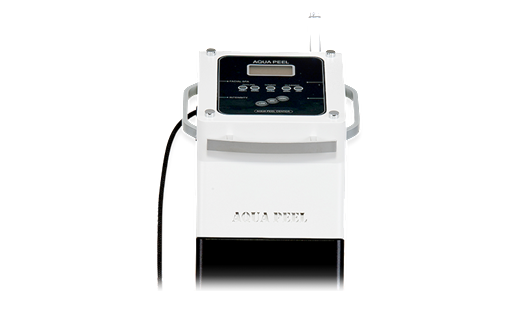
Quick Answer: In Korea, Aqua Peel (아쿠아필)—also written Aquapeel or Aqua Peeling (아쿠아필링) on some menus—usually refers to a low-downtime, hydradermabrasion-style facial combining liquid exfoliation with suction-based pore cleansing and finishing hydration or soothing care. The name does not guarantee one standardized machine, solution or step sequence, so two clinics can sell meaningfully different treatments under the same menu name. It is mainly a surface-cleansing and exfoliation treatment—not a structural lifting treatment, acne-scar treatment or permanent pore-shrinking procedure. [1], [2]
Korea price guide: MTK’s reviewed public clinic menus suggest approximately ₩30,000–₩100,000+ for a basic standalone Aqua Peel session, while enhanced options with extra blackhead extraction, calming care or additional skin-care steps can reach roughly ₩50,000–₩170,000+. Prices are references only; confirm VAT, inclusions and the clinic’s final quote.
Aqua Peel in Korea at a Glance
- Common goal: temporary pore cleansing, blackhead / sebum management, surface smoothness and hydration.
- What varies: machine, AHA / BHA solution, suction, manual extraction, cryotherapy, LED, mask and other add-ons.
- Not designed for: structural lifting, deep acne scars or permanent pore-size reduction.
- Typical budget: about ₩30,000–₩100,000+ basic; about ₩50,000–₩170,000+ with added extraction or calming care.
- Recovery: usually low downtime, but temporary redness, stinging, dryness or sensitivity can occur.
What is Aqua Peel?
Aqua Peel is a common Korean clinic-menu term for liquid-assisted exfoliation plus suction-based cleansing. You may also see the names Aquapeel, Aqua Peeling or hydro-facial-style cleansing. Depending on the clinic, the session may use AHA, BHA or other exfoliating solutions, followed by vacuum-assisted removal of surface debris and sebum, and then a hydrating or calming step.
The important beginner point is that “Aqua Peel” is a treatment category name in many Korean menus, not enough information to identify an exact protocol. Step count, solution strength, suction, manual extraction, soothing care and add-ons can differ. This is why price and results should be compared by what is actually included, not by the treatment name alone.
How Does Aqua Peel Work?
1. Surface exfoliation
The clinic applies or circulates a liquid exfoliating solution across the skin. Depending on the protocol, this may include alpha- or beta-hydroxy acids. Exfoliation removes part of the outer dead-cell layer and can temporarily improve surface smoothness and brightness. Stronger exfoliation is not automatically better, especially for irritated or sensitive skin. [5], [6]
2. Suction-based cleansing
A handpiece uses suction to lift loosened oil and surface debris. This can make blackheads or congested areas look cleaner, but it should not be described as permanently “emptying” pores or stopping sebum production.
3. Hydration or soothing care
Many Korean clinic protocols finish with a hydrating solution, serum, mask, cryotherapy, LED or another calming step. These additions are not universal, and they can materially change the price and recovery experience.
Is Aqua Peel a Chemical Peel?
Not exactly. Many Aqua Peel protocols use chemical exfoliants such as AHA or BHA, but the overall service also includes suction-based cleansing and often hydration or calming care. By contrast, a chemical peel is defined primarily by the chemical exfoliation step and can range from superficial to much deeper treatment with very different recovery requirements. [5], [6]
Aqua Peel vs HydraFacial: Are They the Same?
They belong to a similar hydradermabrasion / suction-exfoliation category, but they should not be treated as identical products. Peer-reviewed literature uses HydraFacial as an example of hydradermabrasion, while “Aqua Peel” on Korean clinic menus is a broader, less standardized term that can refer to different machines, solutions and step combinations. Compare the actual protocol rather than assuming the names are interchangeable. [2]
| Comparison | Aqua Peel in Korea | HydraFacial |
|---|---|---|
| Name | Often used as a generic clinic-menu category. | A specific branded hydradermabrasion system. |
| Protocol | Steps, solutions and add-ons can vary by clinic. | Uses a more standardized branded protocol, with options that vary by treatment tier. |
| What to compare | Exact steps, extraction, solutions, calming care and total price. | Exact treatment level, boosters, add-ons and total price. |
| Which is better? | There is no universal winner. Choose according to your skin condition, protocol, tolerance and budget rather than the name alone. | |
What Can Aqua Peel Realistically Improve?
The most defensible expectation is temporary improvement in surface smoothness, hydration, visible congestion and skin freshness . Small hydradermabrasion studies have reported improvements in selected skin-quality measures, but the published evidence is limited and often evaluates a specific device, serum or protocol rather than Korean Aqua Peel as a whole. [1], [2]
| Concern | Reasonable expectation | Important limitation |
|---|---|---|
| Blackheads / visible congestion | Can look cleaner after exfoliation and suction. | Does not permanently stop comedones or sebum production. |
| Rough or dull surface texture | May look smoother and brighter after superficial exfoliation. | Not a treatment for deep scars or structural texture change. |
| Visible pores | Pores may look temporarily cleaner or less noticeable. | It does not permanently shrink the anatomical size of pores. |
| Acne | May support cleansing for some comedonal or oily-skin concerns. | It is not a substitute for diagnosis and treatment of inflammatory or persistent acne. |
| Hydration / glow | Finishing solutions can temporarily improve hydration and cosmetic appearance. | Results depend on the protocol and are not a structural anti-aging effect. |
Does Aqua Peel Help Blackheads, Pores or Acne?
Blackheads and clogged-looking pores are the most practical reasons people consider Aqua Peel. Suction plus superficial exfoliation can remove surface buildup and make congestion look cleaner. However, “cleaner pores” should not be translated into permanent pore reduction or long-term control of oil production.
For acne, the evidence needs more care. A small randomized trial found benefit from salicylic-acid and lipohydroxy-acid peels for comedonal acne, while an evidence review concluded that microdermabrasion has a limited role in acne vulgaris. That does not prove every Aqua Peel protocol treats acne, because acid concentration, suction, device and accompanying acne treatment can differ. [3], [4]
If you have painful inflammatory acne, open lesions, recurrent cysts, scarring or significant irritation, ask for a medical skin assessment rather than relying on repeated pore-cleansing sessions alone.
Is Aqua Peel Safe for Sensitive Skin?
Sensitive skin is not automatically a “yes.” The treatment can be adjusted, but both exfoliating acids and suction can irritate skin. The American Academy of Dermatology notes that exfoliation can worsen redness, dryness or breakouts when it is too aggressive or combined with sensitizing products. [5]
Tell the clinic about active dermatitis, rosacea flares, sunburn, broken skin, recent peels or lasers, prescription retinoids, benzoyl peroxide, other exfoliants and any previous reaction to skin-care procedures. The exact solution and suction should be chosen after reviewing your skin condition.
How Is the Procedure Done?
There is no single universal Aqua Peel protocol. A typical visit may include cleansing, liquid exfoliation, suction-based pore care and a finishing hydration or calming step. Some clinics add nose extraction, cryotherapy, LED, masks or ampoules.
Ask for the step list before comparing prices. A basic three-step Aqua Peel, Aqua Peel plus manual blackhead extraction, and Aqua Peel plus cryotherapy are different services even when all three are marketed under the same name.
Treatment time also varies with the step count and add-ons. Rather than relying on a fixed “30-minute” promise, ask the clinic for the total appointment time and whether consultation, cleansing and finishing care are included.
Does Aqua Peel Hurt?
Many people experience only light suction, tingling or temporary sensitivity, but comfort depends on the solution, suction strength and current skin barrier. Acid application can sting, and aggressive suction or repeated passes can irritate skin.
Tell the provider immediately if you feel persistent burning or significant pain. “Low downtime” should not be interpreted as “impossible to irritate.”
How Often Should You Get Aqua Peel?
There is no evidence-based universal requirement for 4–6 sessions or treatment every two weeks. Published hydradermabrasion studies have used repeated treatment courses, but those protocols tested specific devices and serums; one 2024 biweekly study also included industry-affiliated authors. They do not establish the ideal schedule for every Korean Aqua Peel program. [1], [7]
A single session may be enough if your goal is a temporary cosmetic refresh before travel or an event. If you want maintenance, ask when your skin should be reassessed and whether repeated exfoliation is appropriate for your skin barrier and current products.
How Long Do Aqua Peel Results Last?
Aqua Peel is best thought of as surface maintenance rather than a long-duration structural treatment . Smoother texture, hydration and cleaner-looking pores can be noticeable soon after treatment, but there is no single evidence-based “1–2 week” duration that applies to every protocol.
One 2024 hydradermabrasion imaging study found immediate microscopic changes after treatment; the superficial dermal stretching seen after treatment had returned to baseline by the two-week follow-up, while epidermal measurements also changed over time. That does not establish a universal cosmetic duration for Aqua Peel, but it supports treating the effect as temporary rather than permanent. [2]
How Much Does Aqua Peel Cost in Korea?
For a basic standalone Aqua Peel session in Korea, MTK’s reviewed public clinic menus suggest approximately ₩30,000–₩100,000+. Enhanced options that add blackhead extraction, cryotherapy, soothing care or other skin-care steps can reach roughly ₩50,000–₩170,000+.
| Clinic-listed option | Approximate reference range | What to compare |
|---|---|---|
| Basic / standalone Aqua Peel | ₩30,000–₩100,000+ | Check whether it is a first-visit promotion, 2-step / 3-step care, and whether VAT is included. |
| Aqua Peel + nose / blackhead extraction | ₩50,000–₩170,000+ | Confirm whether extraction is manual, device-based or packaged with additional calming care. |
| Aqua Peel + cryotherapy / LED / soothing care | ₩50,000–₩170,000+ | Compare the included aftercare rather than the treatment name alone. |
| Aqua Peel + laser / RF / injectable package | Not comparable as standalone Aqua Peel | Ask for separate itemization; the added procedure usually drives most of the package price. |
Source: MTK Market Price Reference, compiled and estimated from publicly available Korean clinic pricing reviewed in October 2026. The sample includes listed fees and first-visit offers from mainly Seoul-area clinics. VAT and included services vary. These are budgeting references, not transaction averages or regulated nationwide prices; “+” means higher quotes are possible.
Prices are for reference only. The final treatment plan and price are subject to the quote provided by the clinic you visit after consultation. Confirm whether VAT, consultation, manual extraction, cryotherapy, LED, masks, ampoules or any additional procedures are included.
Why Can Two Aqua Peel Prices Be So Different?
Aqua Peel is not one standardized package. A ₩30,000 promotional three-step cleanse, a session with manual nose extraction, and a longer program with cryotherapy or LED are not like-for-like services. Before judging value, compare the actual step list, treatment time, add-ons and final payable price.
How Do I Budget for Multiple Visits?
If a clinic proposes five visits and the confirmed standalone price is ₩30,000–₩100,000 per visit, the simple arithmetic budget is ₩150,000–₩500,000 before separately charged VAT or add-ons. This is a budgeting example, not a recommendation that everyone needs five sessions and not a claim about package discounts.
What Is the Downtime?
Downtime is usually low, but zero downtime should not be guaranteed. Temporary redness, dryness, tightness, tingling or sensitivity can occur after exfoliation and suction. Stronger solutions, repeated extraction, existing barrier irritation or combination treatments can increase recovery. [5], [6]
If your skin looks calm, routine activities may be possible soon after treatment, but makeup, exercise, heat exposure and active skin-care products should follow the clinic’s instructions for the exact protocol used.
Are There Any Side Effects?
Potential problems include temporary redness, stinging, dryness, irritation or breakouts. Excessive exfoliation can disrupt the skin barrier, and aggressive exfoliation may increase the risk of post-inflammatory pigment change in some skin types. [5]
Persistent burning, worsening redness, blistering, significant swelling or a rash is not a normal “detox” response. Stop irritating products and contact the treating clinic or a medical professional if symptoms are significant or worsening.
Post-Treatment Care Tips
Aftercare should match the strength of the exfoliation and your skin condition. The safest default is to keep the routine simple until the skin feels settled.
- Cleanse gently: avoid scrubbing or additional physical exfoliation.
- Moisturize: the AAD recommends moisturizer after exfoliation to support the skin barrier. [5]
- Use sun protection: newly exfoliated skin should be protected from unnecessary UV exposure; follow the clinic’s sunscreen guidance. [6]
- Do not stack exfoliants automatically: ask when to restart retinoids, benzoyl peroxide, AHA/BHA, scrubs or other potentially irritating products.
- Follow the actual clinic protocol: a basic Aqua Peel and a stronger peel-plus-extraction session may need different aftercare.
Can Aqua Peel Be Combined With Other Treatments?
It can be offered in the same visit as lasers, RF treatments, skin boosters or injections, but there is no universal rule that Aqua Peel makes another treatment penetrate better or work better . Injectable products are placed through the skin, so “cleaner pores improve injectable absorption” is not a valid explanation for combining them.
The useful question is whether the skin barrier should be exfoliated before another procedure, whether the combination increases irritation, and whether the sequence changes aftercare. Same-day treatment or spacing should be decided for the actual combination and skin condition rather than a universal 24-hour or one-week rule.
For a separate injection guide, see Juvelook Complete Beginner’s Guide . For another low-downtime skin-care category, see LDM Treatment in Korea .
Final Tips for Beginners
Before booking, confirm the exact step list, solutions, extraction, add-ons, treatment time, final price and aftercare . Aqua Peel is most useful when you treat it as a customizable surface-cleansing / exfoliation service rather than a single standardized medical device with identical results everywhere.
Frequently Asked Questions
Is Aqua Peel the same as HydraFacial?
They are related hydradermabrasion-style treatments, but they should not be treated as identical products. HydraFacial is a specific branded system; Aqua Peel in Korean clinic menus can use different machines, solutions and step combinations. [2]
How much does Aqua Peel cost in Korea?
MTK’s reviewed public clinic menus suggest about ₩30,000–₩100,000+ for a basic standalone session and roughly ₩50,000–₩170,000+ for enhanced options with extraction or added calming care. Prices are references only; VAT, promotion conditions and inclusions vary, and the clinic confirms the final quote.
Does Aqua Peel remove blackheads?
It can remove some surface buildup and make blackheads or congested pores look cleaner after exfoliation and suction. It does not permanently prevent blackheads or stop sebum production.
Can Aqua Peel treat acne?
It may support cleansing for some oily or comedonal skin concerns, but it is not a substitute for medical acne treatment. Persistent inflammatory acne, cysts, open lesions or scarring should be medically assessed. [3], [4]
Does Aqua Peel permanently shrink pores?
No. Pores can look cleaner or temporarily less noticeable after surface debris and oil are removed, but Aqua Peel does not permanently change the anatomical size of pores.
Is Aqua Peel safe for sensitive skin?
Not automatically. The strength of exfoliation and suction should be adjusted to the skin condition. Sensitive or irritated skin can sting, redden or become drier after exfoliation, so disclose current products and skin problems before treatment. [5]
Does Aqua Peel hurt, and is there downtime?
Many people experience low discomfort and return to normal activities quickly, but suction or exfoliating solutions can cause temporary stinging, redness, dryness or sensitivity. Zero downtime should not be guaranteed.
How often should I get Aqua Peel?
There is no universal evidence-based interval. A single session can be used for temporary cosmetic refreshment, while repeat treatment should depend on your skin barrier, goals, current skin-care products and how your skin responds.
How long do Aqua Peel results last?
The cosmetic effects are temporary. Hydration, smoothness and cleaner-looking pores can be noticeable soon after treatment, but there is no single proven duration for every Aqua Peel protocol. In one hydradermabrasion imaging study, superficial dermal stretching seen immediately after treatment had returned to baseline by two weeks. [2]
Is Aqua Peel a chemical peel?
Not exactly. Many Aqua Peel protocols use AHA, BHA or another chemical exfoliant, but the service also includes suction-based cleansing and often hydration or calming care. Chemical peels are defined primarily by the peel itself and can range from superficial to deeper treatments with different recovery. [5], [6]
Medical References and Evidence Notes
The references below support hydradermabrasion, exfoliation, acne and safety concepts. Because Korean “Aqua Peel” is not treated as one standardized branded protocol in this guide, evidence from a specific hydradermabrasion device, serum, microdermabrasion method or chemical peel is not presented as proof that every Aqua Peel session produces the same result. The 2024 biweekly hydradermabrasion study included industry-affiliated authors and tested a specific serum protocol.
- Freedman BM. Hydradermabrasion: an innovative modality for nonablative facial rejuvenation. J Cosmet Dermatol. 2008;7(4):275–280. PMID 19146604.
- Razi S, et al. Hydradermabrasion through the lens of Line-Field Confocal Optical Coherence Tomography. Skin Res Technol. 2024;30(4):e13684. PMID 38558475.
- Levesque A, et al. Randomized trial comparing a lipohydroxy acid derivative peel with a salicylic acid peel in subjects with comedonal acne. J Cosmet Dermatol. 2011;10(3):174–178. PMID 21896127.
- Karimipour DJ, Karimipour G, Orringer JS. Microdermabrasion: an evidence-based review. Plast Reconstr Surg. 2010;125(1):372–377. PMID 20048628.
- American Academy of Dermatology. How to safely exfoliate at home. Updated 2026.
- American Academy of Dermatology. Chemical peels: FAQs and aftercare guidance.
- Huang P, et al. Efficacy and tolerability of a novel cosmetic growth factor serum when used as part of biweekly diamond tip hydradermabrasion treatments on facial skin. J Cosmet Dermatol. 2024;23(4):1304–1312. PMID 38357748.
Medical disclaimer: This guide provides general information, not a diagnosis or individual treatment recommendation. Aqua Peel protocols vary by clinic. Suitability, product selection, exfoliation strength, combination timing and aftercare should be determined after reviewing your skin condition and treatment history.