

Korean Glass Skin: How Energy Devices and Skin Boosters Work Together (2026 Guide)
Medical Content Reviewed by MTK Editorial Team | Updated: June 2026
Booking note: All treatments in this guide are bookable through MTK (Medical Travel Korea) — an official Google Reserve partner that exclusively indexes Foreign Patient Attraction Institution—certified facilities. Every booking includes transparent upfront pricing matrices with no foreign markups, and dedicated language support with interpreters experienced in clinical terminology is provided upon request.
Quick answer: Korean glass skin isn't a single treatment — it's the result of combining energy-based devices like Ultherapy and Thermage FLX that rebuild the dermal structure from depth with skin booster treatment Korea that delivers targeted cellular nutrition to the surface. This guide explains how that combination works, why it's calibrated differently by skin type, and what the most commonly used protocols involve.
Note: If your primary clinical concern is general skin fatigue, lackluster tone, or chronic jet-lag exhaustion rather than deep structural lifting, you may first want to explore our targeted clinical brief on shifting from Dull Skin to Glass Skin in Korea.
Why Glass Skin Requires Two Layers of Treatment
The translucent, even-toned complexion associated with Korean glass skin depends on two things happening simultaneously: a firm, well-structured dermis beneath, and a well-hydrated, low-inflammation skin surface above.
Energy-based devices — such as Thermage FLX, Ultherapy, or RF microneedling — create controlled thermal stimulation in the deeper dermal layers, triggering collagen remodeling and structural tightening. Skin boosters — such as Rejuran Healer, Juvelook, or exosomes — deliver biological building blocks directly into the dermis: polynucleotides, hyaluronic acid, amino acids, or growth factor signals that support cellular repair and hydration.
Used together, the device provides the architectural stimulus, and the booster supplies the raw materials to manifest visible skin quality. This is why most board-certified dermatologists in Gangnam combine both in a single protocol rather than treating them as separate sessions.
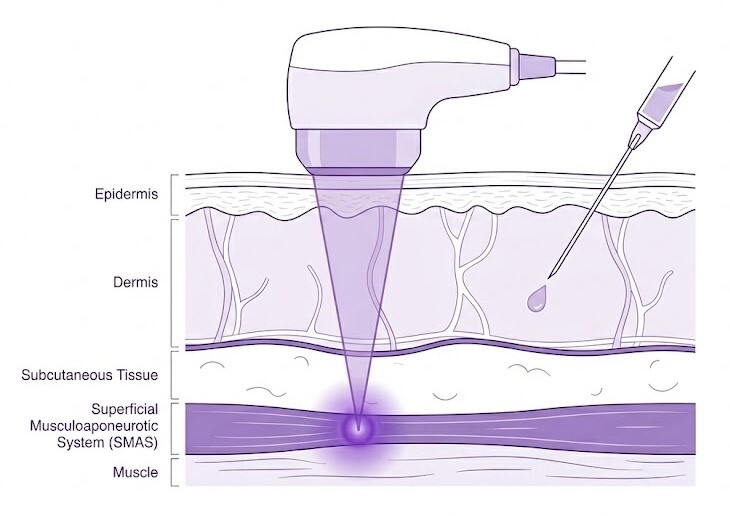
HIFU energy focuses to the SMAS layer (4.5mm depth) while a skin booster is injected into the mid-dermis — two separate depths, one combined protocol.
Skin Type Calibration: Why the Same Device Gives Different Results
One of the most important variables in any glass skin protocol is Fitzpatrick skin type — the dermatological classification system that maps skin's melanin density and photosensitivity. Using an energy device at the wrong settings for a given skin type can cause post-inflammatory hyperpigmentation (PIH), persistent redness, or surface scarring rather than improvement.
The table below outlines how treatment protocols are typically adjusted by skin type at dermatology clinics in Gangnam.
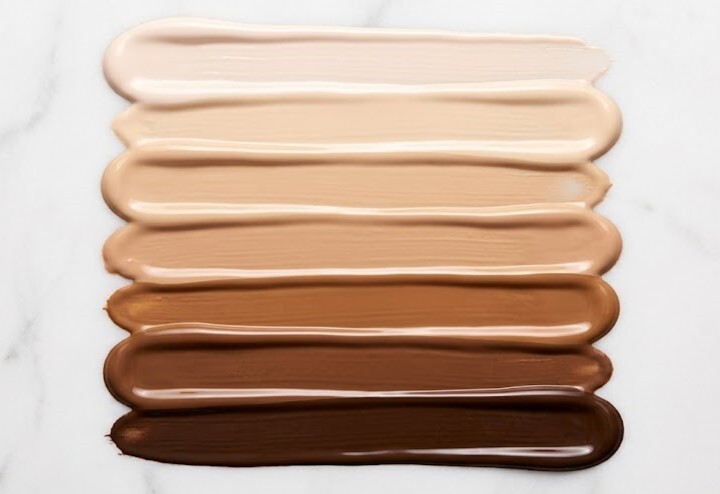
Treatment energy settings, device selection, and booster choice are calibrated to each patient's Fitzpatrick skin type before any session begins.
| Fitzpatrick Type | Typical Profile | Primary Risk | Recommended Protocol | Target Outcome |
|---|---|---|---|---|
| Type I–II | Fair skin, Northern European heritage. Thin dermis, prone to flushing and redness. | Capillary disruption, rosacea flaring, barrier compromise from heat-heavy lasers. | Low-fluence Thermage FLX + LDM Triple Ultrasound + Exosomes | Dermal thickening, vascular calming, surface radiance without inflammation. |
| Type III–IV | East Asian, Latino, or Mediterranean profiles. Moderate melanin density. | Moderate PIH risk; structural concerns including mid-face volume loss and gradual skin laxity with age. | Ultherapy Prime or Titanium Lifting + Juvelook (PDLLA) | Deep SMAS fascial lifting combined with gradual collagen scaffolding over a 4-to-8-week period. |
| Type V–VI | Deep South Asian, Middle Eastern, or African heritage. High melanin activity. | High PIH risk from surface heat; epidermal damage from conventional laser settings. | Insulated RF Microneedling (Potenza) + Low-fluence PicoWay/PicoSure MLA + Rejuran Healer | Sub-epidermal remodeling without surface heat exposure; pigmentation reduction with barrier repair. |
Protocol Breakdown by Skin Type
Protocol 1 — For Fitzpatrick Type I–II: Barrier Strengthening and Vascular Calm
Fair, thin skin responds poorly to aggressive ablative or high-heat laser systems, which can disrupt the capillary network and cause persistent redness. The standard approach uses a low-fluence Thermage FLX sequence to gently tighten surface laxity, supported immediately by LDM (Local Dynamic Micro-massage) Triple Ultrasound — a non-thermal modality that downregulates matrix metalloproteinases (MMPs) responsible for collagen degradation. This is followed by topical or micro-injected exosomes, which deliver signaling molecules to fibroblasts to support dermal wall repair without thermal burden.
Protocol 2 — For Fitzpatrick Type III–IV: Deep Structural Lifting and Collagen Scaffolding
This profile commonly presents with gradual mid-face volume loss and softening of the jawline over time. The recommended protocol pairs Ultherapy Prime — which targets the 4.5mm SMAS fascial layer using focused ultrasound, the same structural tissue addressed in surgical facelifts — or Titanium Lifting, which uses a triple-wavelength diode to contract facial retaining ligaments. This is combined with Juvelook, a hybrid injectable containing Poly-D,L-Lactic Acid (PDLLA) and hyaluronic acid that forms a porous bio-lattice, stimulating continuous collagen synthesis over a 4 to 8 week cycle after treatment.
Protocol 3 — For Fitzpatrick Type V–VI: Melanin-Safe Texturizing and Pigment Correction
Darker skin tones carry a high risk of post-inflammatory hyperpigmentation from conventional laser systems, which expose the melanin-rich epidermis to surface heat. This protocol addresses that by using Potenza RF Microneedling with insulated needle tips — delivering radiofrequency energy exclusively below the skin surface while keeping the epidermis cool. This is combined with low-fluence PicoWay or PicoSure micro-lens array passes to address deep pigment clusters, and concluded with Rejuran Healer (polynucleotides) injected into the dermis to reduce inflammation and support barrier recovery after treatment.
Treatment protocols are adjusted based on each patient's skin assessment at consultation. When you book through MTK, your coordinator providing dedicated language support with interpreters experienced in clinical terminology can communicate your skin history, previous treatments, and any sensitivities directly with the dermatologist in Korean before the session begins.
Device and Booster Reference
| Treatment | Type | Mechanism | Primary Concern |
|---|---|---|---|
| Thermage FLX | Monopolar RF | Delivers volumetric radiofrequency heat into the deep reticular dermis, inducing immediate collagen contraction and stimulating long-term remodeling. | Surface laxity, fine lines, crepey texture, under-eye thinning. |
| Ultherapy Prime | HIFU | Focuses ultrasound energy to create thermal coagulation points at the 4.5mm SMAS layer — the deep fascial tissue addressed in surgical facelifts. | Structural jawline sagging, jowl laxity, deep tissue lifting. |
| Potenza | RF Microneedling | Insulated micro-needles deliver RF energy exclusively below the skin surface, protecting epidermal pigment cells from heat exposure. | Enlarged pores, acne scarring, textural irregularities in darker skin tones. |
| Rejuran Healer | Polynucleotide (PN) Injectable | Salmon-derived DNA polynucleotides are micro-injected into the dermis to repair the skin barrier and support collagen production. | Dehydrated skin, thin or damaged barrier, reactive redness, fine wrinkles. |
| Juvelook / Juvelook Volume | PDLLA + HA Injectable | A resorbable porous lattice forms in the dermis, stimulating macrophage activity and continuous collagen synthesis over several weeks. | Gradual volume correction, acne scar filling, structural anti-aging. |
| Exosomes | Cell-Derived Signaling Vesicles | Extracellular vesicles derived from stem cells are applied topically or injected to deliver growth factor signals to fibroblasts and support tissue repair. | Post-treatment recovery, thin or sensitized skin, barrier inflammation. |
Verified Gangnam dermatology clinics in the MTK network operate dedicated treatment rooms with board-certified dermatologists and professional-grade device fleets.
How MTK's Booking Process Works
- Pricing Transparency Matrix: MTK evaluates all connected clinics to confirm transparent upfront pricing matrices with no foreign markups or hidden administrative surcharges.
- Surgeon accountability: The board-certified dermatologist who conducts your consultation is the same doctor who performs your treatment. Switching physicians after the consultation is not permitted within the MTK network.
- Device and product verification: You have the right to ask clinical staff to show original packaging and manufacturer serial codes for any injectable or device consumable before treatment begins.
- Dedicated Language Support: MTK coordinates dedicated language support with interpreters experienced in clinical terminology, covering consultation, treatment briefing, and aftercare.
Ready to book? Visit medicaltravelkorea.com to find verified Gangnam dermatology clinics and secure your appointment with transparent upfront pricing.
Frequently Asked Questions
What does "glass skin" actually mean, and is it achievable for all skin types?
Glass skin refers to a complexion that appears smooth, even-toned, and luminous — often described as having a translucent quality. It's achievable for all skin types, but the specific combination of treatments varies significantly. Darker skin tones require protocols that avoid surface heat exposure to prevent hyperpigmentation, while fairer skin typically benefits from different device settings and booster types. A dermatologist will assess your skin before recommending a specific protocol.
How many days do I need in Seoul for a glass skin protocol?
Most combined energy-device and skin booster protocols are completed in a single 2-to-3-hour session. Mild downtime of 1-to-3 days is typical for injectable boosters (small temporary papules at injection sites) or RF microneedling (mild redness). Most patients schedule treatment early in their Seoul stay and use the remaining days for recovery and sightseeing. For protocols involving multiple sessions, a 5-to-7-day window is more comfortable.
What is the typical price range for Rejuran Healer in Seoul?
Rejuran Healer pricing typically spans from $250 USD for a standalone, à la carte 2cc syringe up to well over $1,000+ USD when integrated into advanced multi-layered treatment protocols. The baseline cost reflects whether you are receiving an unbundled single injection or a highly compounded full-face plan. Comprehensive boutique regimens regularly pair the biological booster with advanced multi-spectral imaging, specialized block numbing, and complementary target platforms (such as custom laser lines or soothing cellular ultrasound) to protect the skin base thoroughly. MTK audits clinic ledgers upfront so you can view transparent, hospital-standard pricing prior to departure.
Can Thermage FLX and Ultherapy be done in the same session?
Yes — combining the two is a well-established protocol in Gangnam, sometimes called "Ulthermage." Because Ultherapy targets the deep 4.5mm SMAS layer via focused ultrasound while Thermage FLX addresses the upper reticular dermis via radiofrequency, they work on different tissue depths without overlap. The combination requires careful calibration of energy settings by a board-certified dermatologist to stay within safe thermal limits for your skin type.
How should I prepare my skin before arriving in Korea for treatment?
Stop using strong topical actives — retinol, tretinoin, high-percentage AHAs or BHAs, and high-concentration vitamin C serums — at least 5 to 7 days before your treatment date. Over-sensitized skin limits the energy settings a dermatologist can safely use, which reduces the effectiveness of devices like Thermage or Potenza. Your MTK coordinator will send a clinic-specific preparation checklist when your appointment is confirmed.
Is a deposit required to book through MTK?
For some specialist or high-demand clinics, a booking deposit may be required to secure the appointment slot. Any deposit is processed safely through MTK's secure platform structure and applied directly to your final invoice at the clinic, with no unverified handling surcharges.
Are these treatments available outside Seoul?
Several of these protocols — including Rejuran Healer, Thermage FLX, and RF microneedling — are available at verified clinics in Busan as well. If your itinerary includes Busan, the Busan skin clinics guide covers the available options there.
Which device or booster should I search for when researching clinics in Korea?
If you're comparing options, it helps to know the category each treatment falls into. Ultherapy Korea and Thermage FLX Korea are both energy-based devices — Ultherapy uses focused ultrasound to target the deep SMAS layer, while Thermage FLX uses radiofrequency to tighten the upper dermis. Rejuran healer Korea, Juvelook Korea, and exosome treatment Korea options are all skin boosters, delivered by injection to nourish and regenerate tissue rather than heat it. Most glass skin protocols combine one device from each category rather than relying on a single treatment.
Related Guides
Looking for more detail on specific treatments and regional directories mentioned in this guide?
- Dull Skin to Glass Skin: Gangnam's Clinical Brightening Protocols →
- Top 15 Skin Clinics in Korea for Foreigners (2026) →
- Best Plastic Surgery & Anti-Aging Clinics in Apgujeong, Gangnam (2026) →
- Best Myeongdong Skin Clinics in Seoul (2026) →
- Skin Clinics & Plastic Surgery in Busan (2026) →
- Specialist Medical Care in Busan (2026) →
- Korean Traditional Medicine in Busan: A Practical Guide (2026) →
- Busan Medical & Wellness Itinerary: Treatment + Coastal Recovery (2026) →
Medical Disclaimer: This guide is for informational purposes only and does not constitute medical advice. Treatment suitability varies by individual. Always consult with a licensed medical professional before booking any procedure. All clinic metrics are verified through the MTK data tracking network.