
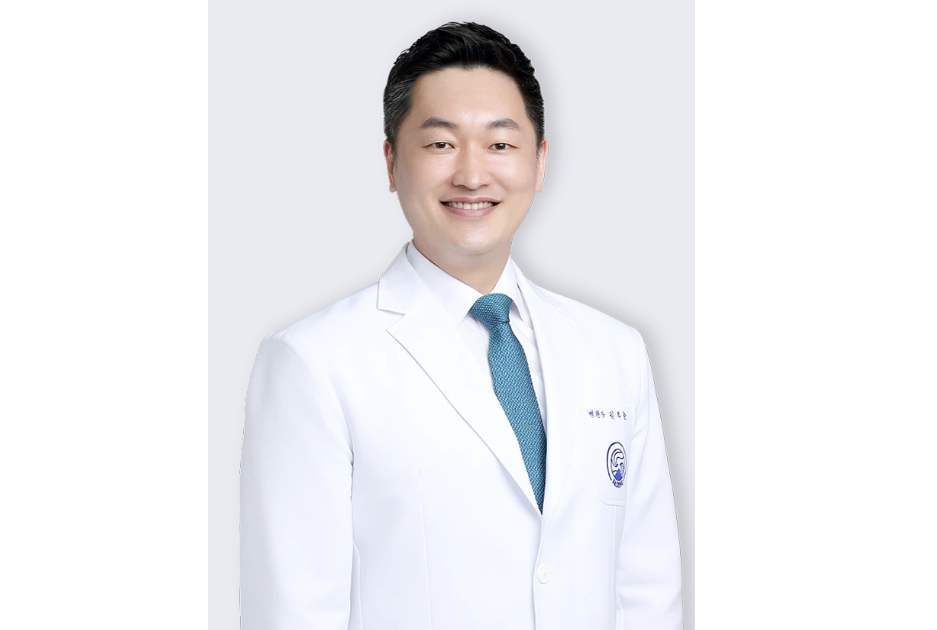
Dr. Kim Ha-Neul
Associated Clinics · 1
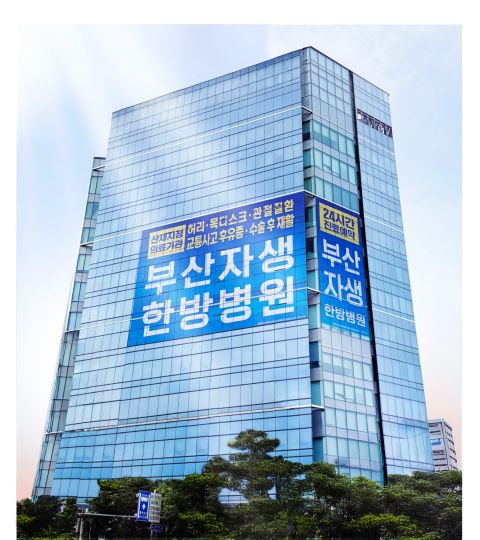
Dr. Kim Ha-Neul: Bridging Traditional Korean Medicine and Modern Pain Management for Spine and Joint Health
BUSAN — In an era where chronic pain and degenerative spine conditions affect millions worldwide, Dr. Kim Ha-Neul represents a new generation of Korean medicine practitioners who skillfully integrate time-tested traditional healing approaches with evidence-based modern medical knowledge. As a specialist at Busan Jaseng Korean Medicine Hospital, one of Korea's largest integrated Korean medicine facilities, Dr. Kim has established himself as a leading expert in non-surgical treatment of spine disorders, joint pain, and chronic pain conditions.
With specialized training in Korean medicine, membership in major professional organizations, and recognition for patient-centered care combining acupuncture, herbal medicine, and rehabilitative therapies, Dr. Kim has earned the trust of both domestic and international patients seeking alternatives to invasive surgical procedures.
Professional Background and Credentials
Dr. Kim Ha-Neul's career in Korean medicine reflects commitment to excellence in patient care and continuous professional development.
Medical Education and Specialization:
- Doctor of Korean Medicine (K.M.D.): Graduated from accredited Korean medicine school with comprehensive training in traditional Korean medical theory and practice
- Specialty Certification in Spine and Joint Treatment: Advanced training in specialized approaches to treating spine disorders and joint pain
- Continuing Education: Ongoing participation in professional development and advanced training programs
- Evidence-Based Practice: Integration of traditional knowledge with modern medical research and clinical evidence
Professional Affiliations and Memberships:
Dr. Kim maintains active memberships in major Korean medicine organizations:
- Korean Medicine Association (대한한의사협회)
- Specialty Society memberships focused on spine and joint treatment
- Professional organizations dedicated to evidence-based Korean medicine
- Continuing education and professional development participation
Clinical Leadership:
- Busan Jaseng Korean Medicine Hospital Specialist: Treating patients at one of Korea's premier integrated Korean medicine facilities
- Spine and Joint Pain Specialist: Expertise in non-surgical treatment of complex spine and joint conditions
- Patient Education and Care Coordinator: Commitment to explaining treatment approaches and engaging patients in healing process
- Consultation and Treatment Planning: Developing individualized comprehensive treatment plans
Philosophy: Integration of Traditional Wisdom and Modern Evidence
Dr. Kim Ha-Neul's approach to patient care is grounded in philosophy that honors traditional Korean medicine principles while embracing evidence-based modern medical science.
Respect for Traditional Knowledge: Rather than dismissing traditional approaches as outdated, Dr. Kim recognizes:
- Korean medicine's thousands of years of clinical observation and refinement
- Proven efficacy of acupuncture and herbal medicine documented in modern research
- Holistic approach addressing root causes rather than only symptoms
- Individualized treatment considering patient's unique constitution and circumstances
- Integration of mind, body, and spirit in healing
Evidence-Based Integration: Dr. Kim emphasizes modern scientific validation:
- Research supporting traditional Korean medicine approaches
- Clinical trials demonstrating efficacy and safety
- Mechanisms of action explained by modern scientific understanding
- Quality control and standardization of herbal medicines
- Integration with modern diagnostic tools and assessments
Patient-Centered Holistic Care: Dr. Kim's treatment philosophy prioritizes:
- Comprehensive assessment of patient's condition and health
- Understanding of underlying causes of pain and dysfunction
- Individualized treatment planning addressing root issues
- Non-invasive approaches preserving body's natural function
- Education enabling patients to participate actively in healing
- Long-term wellness and prevention focus
Comprehensive Treatment Approach: Rather than single-modality treatment, Dr. Kim utilizes:
- Acupuncture and Moxibustion: Time-tested techniques stimulating body's healing mechanisms
- Herbal Medicine: Customized formulations addressing individual patient needs
- Manual Therapy and Traction: Physical techniques improving alignment and reducing pressure
- Rehabilitative Exercise: Strengthening and restabilizing exercises promoting recovery
- Lifestyle Counseling: Guidance on posture, ergonomics, and daily habits
- Mind-Body Integration: Recognition of stress and emotional factors in pain
Clinical Expertise: Comprehensive Spine and Joint Pain Management
Dr. Kim's expertise spans the complete spectrum of spine and joint disorders treated through Korean medicine and integrated approaches:
Spine Disorders and Back Pain
Herniated Disc (椎間板ヘルニア):
One of the most common spine conditions, herniated discs occur when the intervertebral disc nucleus protrudes into the spinal canal.
Symptoms:
- Lower back pain (lumbar herniation)
- Neck pain (cervical herniation)
- Radiating pain down leg or arm
- Numbness or tingling in extremities
- Weakness in legs or arms
- Muscle spasms and stiffness
Dr. Kim's Treatment Approach:
Rather than immediately pursuing surgery, Dr. Kim offers comprehensive non-surgical management:
Acupuncture Treatment:
- Point Selection: Strategic acupuncture points targeting affected nerve and spinal segments
- Pain Modulation: Stimulation of body's natural pain-relief mechanisms
- Inflammation Reduction: Reduction of inflammatory response around herniated disc
- Frequency: Regular acupuncture sessions promoting gradual improvement
- Integration: Often combined with other modalities for comprehensive treatment
Herbal Medicine:
- Anti-inflammatory Formulations: Herbal medicines reducing inflammation around herniated disc
- Circulation Improvement: Herbs promoting blood flow to affected area
- Pain Relief: Traditional formulas addressing pain and promoting healing
- Constitutional Support: Strengthening patient's overall health and resilience
- Customization: Individual formulation based on patient's unique constitution
Manual Therapy:
- Therapeutic Massage (推拿): Skilled manipulation releasing tension and improving alignment
- Traction Therapy: Gentle spinal traction reducing pressure on herniated disc
- Joint Mobilization: Techniques improving spinal mobility and function
- Postural Correction: Guidance on proper alignment reducing strain
Rehabilitative Exercise:
- Core Strengthening: Exercises strengthening stabilizing muscles
- Flexibility Training: Stretching and mobility work improving spinal function
- Postural Training: Proper body mechanics preventing recurrence
- Progressive Program: Graduated exercise program as pain improves
Lifestyle and Ergonomic Guidance:
- Workplace Ergonomics: Assessment and recommendations for desk, chair, and working posture
- Daily Habits: Guidance on lifting, bending, and movement patterns
- Sleep Positioning: Recommendations for sleeping posture reducing spinal strain
- Activity Modification: Transitioning safely back to normal activities
Success Rates and Outcomes:
Research demonstrates that many herniated disc patients improve significantly with non-surgical treatment:
- 70-90% of herniated disc patients improve with conservative treatment
- Most improvement occurs within 6-12 weeks of treatment
- Continued improvement often continues over several months
- Surgery reserved for cases with progressive neurological deficit or intractable pain
When Surgery Becomes Necessary:
Dr. Kim appropriately recognizes cases requiring surgical intervention:
- Progressive neurological deficit (worsening weakness or numbness)
- Cauda equina syndrome (medical emergency requiring immediate surgery)
- Intractable pain despite adequate conservative treatment
- Patient preference after thorough discussion of options
- Referral to surgical specialists when indicated
Degenerative Disc Disease
Condition Overview:
Age-related degeneration of intervertebral discs is common and can cause pain and dysfunction.
Symptoms:
- Chronic low back or neck pain
- Reduced mobility and stiffness
- Pain worse with certain activities
- Numbness or tingling (if nerve involvement)
- Intermittent flare-ups
Dr. Kim's Treatment Approach:
Pain Management and Inflammation Reduction:
- Acupuncture and herbal medicine addressing inflammation
- Manual therapy improving mobility and reducing tension
- Pain modulation through traditional approaches
Functional Improvement:
- Rehabilitation exercises strengthening supporting musculature
- Mobility and flexibility training improving movement
- Core stability exercises providing spinal support
- Progressive return to normal activities
Prevention and Maintenance:
- Postural training preventing progression
- Lifestyle modifications reducing stress on spine
- Regular maintenance treatment preventing flare-ups
- Patient education enabling self-management
Spinal Stenosis
Condition Overview:
Narrowing of spinal canal can compress nerves, causing pain and dysfunction.
Symptoms:
- Pain radiating down legs (especially with walking)
- Weakness or numbness in legs
- Claudication (pain with activity, relief with rest)
- Balance and coordination difficulties
Treatment Approach:
Pain Management:
- Acupuncture targeting affected nerves and promoting circulation
- Herbal anti-inflammatory medicines reducing swelling
- Manual therapy improving spinal alignment
Functional Support:
- Rehabilitative exercises strengthening supporting muscles
- Mobility training improving spinal function
- Activity modification preventing exacerbation
When Surgery Indicated:
- Progressive neurological deficit
- Severe functional limitation despite conservative treatment
- Patient preference after thorough discussion
Facet Joint Syndrome
Condition Overview:
Degeneration or irritation of facet joints (connecting vertebrae) causes localized back pain.
Symptoms:
- Localized pain on one or both sides of spine
- Pain worse with backward bending or twisting
- Stiffness limiting range of motion
- Pain radiating to buttocks or legs
Treatment Approach:
Targeted Acupuncture:
- Points specifically addressing facet joint irritation
- Reducing inflammation and promoting healing
- Improving joint mobility and function
Herbal Medicine:
- Formulations addressing joint inflammation
- Support for cartilage and joint tissue health
- Pain relief and functional improvement
Manual Therapy:
- Mobilization of affected joints
- Restoration of proper spinal alignment
- Muscular tension release
Joint Pain and Arthritis
Knee Pain and Osteoarthritis:
Knee pain from degenerative changes or injury is extremely common.
Common Causes:
- Osteoarthritis (wear-and-tear arthritis)
- Meniscal tears
- Ligament injuries
- Muscle imbalances and weakness
- Repetitive strain
Dr. Kim's Treatment Approach:
Acupuncture for Knee Pain:
- Local acupuncture points around knee joint
- Systemic points addressing overall joint health
- Pain reduction and inflammation control
- Improved circulation promoting healing
Herbal Medicine:
- Anti-inflammatory formulas reducing joint swelling
- Herbs supporting cartilage and joint tissue
- Pain relief and improved joint mobility
- Formulations addressing underlying constitutional factors
Manual Therapy:
- Therapeutic massage relieving muscular tension
- Joint mobilization improving mobility
- Alignment correction reducing abnormal stress
- Technique improving muscle balance
Rehabilitative Exercise:
- Quadriceps and hamstring strengthening
- Balance and proprioception training
- Low-impact exercise promoting healing
- Gradual progression as pain improves
Hip, Shoulder, and Other Joint Pain:
Dr. Kim's expertise extends to various joint conditions:
- Shoulder Pain: Rotator cuff issues, frozen shoulder, impingement
- Hip Pain: Osteoarthritis, muscle strain, bursitis
- Wrist and Hand: Carpal tunnel, arthritis, tendonitis
- Ankle and Foot: Plantar fasciitis, ankle sprain, foot pain
Treatment Approach:
- Individual acupuncture points for specific joints
- Customized herbal formulations
- Manual therapy techniques for each area
- Rehabilitative exercises specific to joint
- Lifestyle modifications preventing recurrence
Chronic Pain Syndromes
Complex Regional Pain Syndrome (CRPS):
Chronic pain condition often following injury with disproportionate pain response.
Symptoms:
- Persistent pain exceeding expected injury severity
- Swelling and skin changes
- Reduced mobility and function
- Psychological distress from chronic pain
Treatment Approach:
- Acupuncture addressing pain pathways
- Herbal medicine supporting healing
- Rehabilitative therapy restoring function
- Psychological support addressing emotional impact
- Multidisciplinary coordination
Fibromyalgia and Myofascial Pain:
Widespread musculoskeletal pain conditions affecting quality of life.
Dr. Kim's Comprehensive Approach:
- Acupuncture addressing widespread pain
- Herbal formulations supporting overall health
- Massage and manual therapy releasing tension
- Exercise supporting gradual conditioning
- Lifestyle modifications reducing symptom triggers
Post-Surgical Recovery and Rehabilitation
Supporting Recovery After Spine Surgery:
For patients who have undergone spine surgery, Dr. Kim offers supportive treatment:
Post-Operative Pain Management:
- Acupuncture reducing pain and promoting healing
- Herbal medicine supporting surgical recovery
- Manual therapy gentle techniques restoring mobility
Rehabilitation Support:
- Coordinating with physical therapists
- Gentle therapeutic exercise promoting recovery
- Gradual progression as healing occurs
- Prevention of complications and stiffness
Long-Term Wellness:
- Ongoing maintenance treatment preventing recurrence
- Strengthening and stabilization exercises
- Lifestyle modifications supporting spinal health
- Regular follow-up and monitoring
Treatment Modalities: Traditional Korean Medicine Techniques
Acupuncture (鍼灸)
Acupuncture represents one of the most established and researched treatments in Korean medicine.
How Acupuncture Works:
Traditional Theory:
- Qi (vital energy) flows through meridian pathways
- Pain and disease result from blockage or imbalance of Qi
- Acupuncture needles stimulate specific points restoring balance
- Treatment promotes healing and pain relief
Modern Scientific Understanding:
- Stimulation of nerves triggering pain-relief mechanisms
- Release of endogenous opioids (body's natural painkillers)
- Reduction of inflammatory mediators
- Improved blood circulation to affected areas
- Modulation of pain perception in central nervous system
Needle Insertion and Technique:
- Ultra-fine sterile needles inserted at specific acupuncture points
- Needles typically left in place 15-30 minutes
- Practitioner may manipulate needles enhancing effect
- Treatment generally painless despite needle insertion
- Patients often experience relaxation during treatment
Benefits:
- Effective pain relief without medication side effects
- Improvement in mobility and function
- Reduced inflammation
- Support for body's natural healing
- Treatment of underlying imbalances, not just symptoms
Safety and Side Effects:
- Generally very safe with minimal side effects
- Rare complications when performed by qualified practitioners
- Infection risk minimal with sterile needles and proper technique
- Some patients experience temporary soreness or minor bruising
- No systemic medication side effects
Herbal Medicine (韓醫藥)
Herbal formulations represent another cornerstone of Korean medicine treatment.
How Herbal Medicine Works:
Mechanism of Action:
- Active compounds in herbs work synergistically
- Multiple herbs combined addressing different aspects of condition
- Digestive metabolism activates therapeutic compounds
- Systemic effects promoting healing throughout body
- Support for body's own healing mechanisms
Customization and Formulation:
Unlike standardized Western pharmaceuticals, Dr. Kim customizes herbal formulas:
- Individual Assessment: Consideration of patient's unique constitution
- Condition-Specific Formulation: Selection of herbs addressing specific diagnosis
- Seasonal Adjustment: Formulas modified based on season and patient needs
- Progressive Modification: Formulas adjusted as treatment progresses
- Integration with Acupuncture: Coordination with acupuncture points selected
Common Herbal Categories:
Anti-inflammatory Herbs:
- Reduce inflammation around joints and nerves
- Examples: Salvia miltiorrhiza, Angelica sinensis
- Promote healing and reduce pain
Blood-Circulating Herbs:
- Improve blood flow to affected areas
- Promote healing and reduce stagnation
- Examples: Paeonia lactiflora, Ligusticum wallichii
Pain-Relieving Herbs:
- Traditional use for pain management
- Examples: Corydalis yanhusuo, Boesenbergia pandurata
- Often combined with other herbs for enhanced effect
Strengthening and Supportive Herbs:
- Support overall health and constitution
- Promote recovery and resilience
- Examples: Ginseng, Astragalus
- Prevent recurrence and promote long-term wellness
Quality and Safety:
Dr. Kim emphasizes:
- Source Verification: Obtaining herbs from reliable suppliers
- Quality Control: Testing for contaminants and active compound content
- Standardization: Using consistent preparations
- Safety Monitoring: Regular assessment for adverse effects
- Drug Interactions: Careful consideration of interactions with Western medications
Manual Therapy and Traction
Therapeutic Massage (推拿/Tui Na):
Skilled manual manipulation addressing muscular and structural issues.
Techniques:
- Pressure Application: Applying pressure to specific points and areas
- Kneading and Rolling: Techniques releasing muscular tension
- Stretching: Gentle stretching improving mobility
- Joint Mobilization: Manipulating joints improving alignment
- Trigger Point Release: Addressing muscle tension patterns
Benefits:
- Immediate relief of muscular tension
- Improved circulation and healing
- Restored mobility and function
- Integration with acupuncture and herbal treatment
Spinal Traction:
Gentle traction reducing pressure on intervertebral discs.
Mechanism:
- Stretching spinal column creating space between vertebrae
- Reducing pressure on discs and nerves
- Improving circulation in affected areas
- Relieving pain and promoting healing
Types:
- Manual Traction: Practitioner-applied gentle stretching
- Mechanical Traction: Equipment-assisted traction
- Decompression Therapy: Advanced equipment providing controlled decompression
Rehabilitative Exercise and Physical Therapy
Therapeutic Exercise Programs:
Dr. Kim develops individualized exercise programs addressing specific conditions.
Components:
- Flexibility Training: Stretching improving range of motion
- Strengthening Exercises: Targeted exercises strengthening weak muscles
- Core Stability Training: Exercises supporting spinal stability
- Balance and Proprioception: Training improving body awareness and stability
- Functional Movement: Exercises improving ability to perform daily activities
Progressive Approach:
- Assessment of current functional capacity
- Gradual progression as strength and mobility improve
- Regular monitoring and program modification
- Patient education enabling independent exercise
Busan Jaseng Korean Medicine Hospital: Integrated Care Excellence
Institutional Background:
Busan Jaseng Korean Medicine Hospital represents one of Korea's largest and most comprehensive integrated Korean medicine facilities.
Comprehensive Services:
- Spine and joint specialists with various expertise areas
- Integration of multiple treatment modalities
- Advanced diagnostic equipment
- Coordinated multidisciplinary care
- Research and evidence-based practice
- International patient services
Dr. Kim's Role:
As a specialist at this premier facility, Dr. Kim:
- Works collaboratively with other specialists
- Utilizes advanced diagnostic and treatment facilities
- Participates in evidence-based practice
- Teaches and mentors other practitioners
- Contributes to institutional excellence
Patient Success Stories
Case 1: Herniated Disc with Significant Pain
A 45-year-old office worker developed severe lower back pain with radiating leg pain from a herniated L4-L5 disc. An MRI confirmed the diagnosis. Orthopedic surgeon recommended considering surgery if conservative treatment failed. The patient consulted Dr. Kim seeking non-surgical options.
Dr. Kim developed comprehensive treatment plan:
- Twice-weekly acupuncture addressing pain and promoting healing
- Customized herbal medicine reducing inflammation
- Gentle manual therapy and traction
- Core strengthening exercises progressing gradually
- Workplace ergonomic assessment and modifications
Outcome: After 8 weeks of treatment, patient's pain significantly improved. By 16 weeks, patient returned to normal work with minimal symptoms. Subsequent MRI showed some disc rehydration. Patient continued maintenance treatment quarterly to prevent recurrence.
Patient testimonial: "I was terrified of surgery. Dr. Kim's comprehensive approach worked beautifully. My pain is gone, I can work normally, and I have tools to prevent problems. I'm very grateful."
Case 2: Knee Osteoarthritis with Mobility Loss
A 62-year-old female with knee osteoarthritis had progressive pain limiting her ability to walk and enjoy outdoor activities. She preferred non-surgical management. Dr. Kim recommended integrated treatment.
Treatment approach:
- Acupuncture targeting knee pain and supporting overall joint health
- Herbal formulation addressing inflammation and supporting joint tissue
- Manual therapy improving joint mobility
- Quadriceps and hip strengthening exercises
- Gentle walking program gradually improving cardiovascular fitness
Outcome: After 3 months of treatment, patient's pain significantly reduced and mobility improved. She returned to walking 2-3 miles regularly and hiking short trails. Continued maintenance treatment kept symptoms controlled.
Patient testimonial: "I thought my active days were over. Dr. Kim's treatment gave me my life back. I can hike, walk, and enjoy activities again. It's been transformative."
Case 3: Chronic Pain After Surgery
A 52-year-old male underwent spine surgery for herniated disc but developed post-operative pain and stiffness limiting recovery. Surgeon recommended physical therapy but pain persisted. Patient consulted Dr. Kim for additional support.
Dr. Kim's approach:
- Gentle acupuncture supporting surgical healing
- Herbal medicine promoting tissue healing and reducing inflammation
- Manual therapy carefully supporting surgical recovery
- Rehabilitative exercises gradually restoring function
- Coordination with physical therapist ensuring complementary care
Outcome: Over 6 months, patient's pain gradually resolved and mobility significantly improved. Patient achieved better functional recovery than would have occurred with physical therapy alone.
Patient testimonial: "Dr. Kim's treatment after surgery made the difference in my recovery. The acupuncture and herbal medicine supported my healing wonderfully. I recovered better than expected."
Case 4: International Patient - Complex Spine Condition
A 55-year-old businessman from Singapore with chronic back pain and multiple failed conservative treatments consulted Dr. Kim via telemedicine. After discussion of comprehensive Korean medicine approach, patient traveled to Busan for intensive treatment.
Dr. Kim's integrated treatment plan:
- Comprehensive evaluation and diagnosis
- Intensive acupuncture protocol (daily initially, then decreasing frequency)
- Customized herbal medicine
- Daily manual therapy and traction
- Rehabilitative exercise program
- Patient education for long-term self-management
Outcome: After 4-week intensive treatment and continuing monthly follow-up, patient experienced significant pain reduction and improved function. Continued telemedicine follow-up enabled ongoing support.
Patient testimonial: "I traveled across the world seeking help. Dr. Kim and his team provided comprehensive, compassionate care. My pain is significantly better, and I have tools for long-term wellness. Best decision I've made."
Academic and Professional Contributions
Research and Evidence-Based Practice:
Dr. Kim contributes to advancement of Korean medicine:
- Participation in clinical research validating Korean medicine approaches
- Integration of traditional knowledge with modern scientific evidence
- Publications and presentations at professional conferences
- Continuing education and professional development
- Mentoring of other practitioners
Professional Involvement:
- Active member of Korean medicine professional organizations
- Participation in specialty society activities
- Contribution to evidence-based practice advancement
- Teaching and educational activities
- Patient advocacy for evidence-based Korean medicine
Why Choose Dr. Kim Ha-Neul?
Specialized Expertise
- Specialized training in spine and joint pain management
- Deep knowledge of Korean medicine principles
- Understanding of modern medical science
- Integration of traditional and contemporary approaches
Comprehensive Approach
- Multiple treatment modalities addressing root causes
- Individualized treatment planning
- Multidisciplinary collaboration when needed
- Holistic consideration of patient's overall health
Evidence-Based Practice
- Integration of traditional knowledge with scientific evidence
- Participation in research validating approaches
- Continuous professional development
- Commitment to patient safety and efficacy
Patient-Centered Care
- Detailed consultation understanding individual needs
- Realistic discussion of treatment options and expectations
- Education enabling patient participation in healing
- Long-term support and maintenance care
- International patient understanding and communication
Institutional Excellence
- Practice at premier Korean medicine facility
- Access to comprehensive resources
- Multidisciplinary collaboration opportunities
- Research and evidence-based practice environment
Busan Jaseng Korean Medicine Hospital - International Patient Services
Facility Overview:
Busan Jaseng Korean Medicine Hospital is one of Korea's largest integrated Korean medicine centers.
Contact Information:
- Location: Busan, South Korea
- Website: busan.jaseng.co.kr
- Services: Comprehensive Korean medicine and integrated treatments
- International Patient Services: Telemedicine consultations, travel coordination, multilingual support
Services Offered:
- Spine and joint pain treatment
- Acupuncture and herbal medicine
- Rehabilitation and physical therapy
- Integrated pain management
- International patient programs
International Patient Services:
- Remote video consultations before travel
- Multilingual staff and interpretation
- Comprehensive treatment planning
- Travel and accommodation coordination
- Post-treatment telemedicine follow-up
- Medical tourism support
Conclusion: Bridging Traditional and Modern for Patient Wellness
Dr. Kim Ha-Neul represents the modern evolution of Korean medicine—a practitioner who deeply respects traditional wisdom while embracing evidence-based modern medical science. Through specialized expertise, patient-centered care, and commitment to comprehensive treatment addressing root causes, Dr. Kim has helped countless patients avoid unnecessary surgery and achieve long-term wellness.
For patients seeking alternatives to invasive surgical procedures, hoping to manage chronic pain naturally, or desiring treatment addressing underlying health imbalances rather than only symptoms, Dr. Kim's integrated approach offers genuine hope and practical solutions.
In an era where chronic pain affects quality of life for millions worldwide, practitioners like Dr. Kim who bridge traditional and modern medicine offer valuable perspectives and effective treatments worthy of serious consideration.