
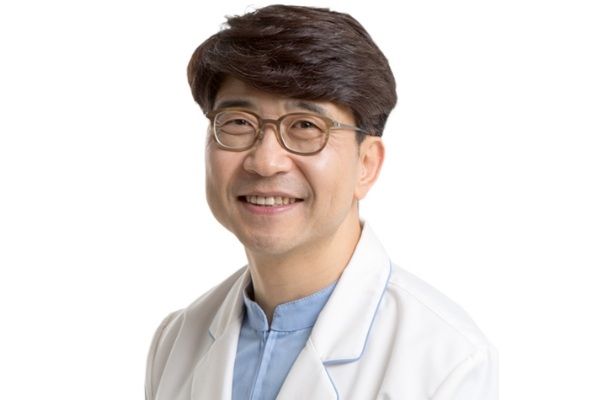
Dr. Kim Byung-Jun
Associated Clinics · 1
Dr. Kim Byung-Jun: Pioneering Minimally Invasive Thoracic Surgery with Advanced Surgical Techniques
Dr. Kim Byung-Jun, founder and director of LEDAS Thoracic Surgery Clinic, represents a new generation of thoracic surgeons who combine traditional surgical expertise with cutting-edge minimally invasive technology. With extensive training in advanced thoracic surgical techniques and a commitment to patient-centered care, Dr. Kim has established LEDAS as a premier center for thoracic surgical excellence in Seoul.
Medical Background and Credentials
Dr. Kim Byung-Jun's surgical journey reflects dedication to acquiring world-class expertise in thoracic surgery. His medical education began at one of South Korea's prestigious medical schools, followed by comprehensive surgical training in thoracic surgery at leading Korean hospitals.
Recognizing the importance of staying at the forefront of surgical innovation, Dr. Kim pursued advanced training in minimally invasive thoracic surgical techniques. He completed specialized fellowship training in VATS (Video-Assisted Thoracoscopic Surgery) and robotic-assisted thoracic surgery at institutions recognized for pioneering these approaches.
His commitment to continuing education is evident in his participation in international thoracic surgery conferences, collaboration with renowned thoracic surgeons, and ongoing skill development in emerging surgical technologies. This dedication ensures that Dr. Kim offers patients access to the most current surgical approaches available globally.
Professional Qualifications and Affiliations:
- Korean Medical School Graduate
- Board-Certified Thoracic Surgeon (Korea)
- Fellowship Training in VATS Surgery
- Fellowship Training in Robotic-Assisted Thoracic Surgery
- Member, Korean Society of Thoracic and Cardiovascular Surgeons
- Member, International Society of Thoracic Surgeons
- Participant, International Thoracic Surgery Conferences
- Consultant - Advanced Surgical Technology Companies
- Clinical Advisor - Thoracic Surgery Innovation Programs
Philosophy: Minimally Invasive Approaches with Surgical Excellence
Dr. Kim Byung-Jun's approach to thoracic surgery is grounded in a philosophy that prioritizes patient outcomes, recovery quality, and long-term health. While minimally invasive surgery represents a significant advancement, he recognizes that the fundamental goal of thoracic surgery—complete tumor removal, disease management, and preservation of vital functions—remains paramount.
Dr. Kim's surgical decision-making reflects individualized assessment for each patient:
Patient Selection and Customization: Rather than adopting a one-size-fits-all approach, Dr. Kim carefully evaluates each patient's tumor characteristics, anatomical considerations, overall health status, and personal preferences. Some patients are excellent candidates for minimally invasive VATS or robotic approaches, while others may benefit from traditional open surgery or hybrid techniques combining both approaches.
Minimally Invasive Technology Adoption: Dr. Kim has embraced VATS and robotic-assisted surgery not as marketing tools, but as genuinely beneficial advancements when applied appropriately. These techniques offer patients:
- Reduced postoperative pain
- Shorter hospital stays
- Faster return to normal activities
- Improved cosmetic outcomes
- Equivalent or superior oncologic outcomes compared to open surgery
However, Dr. Kim emphasizes that minimally invasive surgery is only appropriate when it provides equivalent or superior cancer treatment compared to open surgery. In cases where open surgery provides superior outcomes, he recommends and performs traditional approaches.
Comprehensive Perioperative Care: Beyond the surgical procedure itself, Dr. Kim focuses on comprehensive perioperative management:
- Detailed pre-operative assessment and optimization
- Intraoperative monitoring and technique refinement
- Excellent postoperative pain control
- Early mobilization and rehabilitation
- Clear communication with patients and families throughout
International Patient Communication: Dr. Kim recognizes the unique challenges faced by international patients undergoing thoracic surgery. His approach includes:
- Clear, detailed explanations of surgical procedures in patient-understandable language
- Discussion of risks, benefits, and alternatives
- Realistic expectations regarding recovery timeline
- Comprehensive discharge planning for patients returning home
- Remote follow-up consultations after returning to home countries
Clinical Expertise: Comprehensive Thoracic Surgery Services
Dr. Kim's surgical expertise spans the complete spectrum of thoracic surgical conditions:
Lung Cancer Surgery
Lung cancer represents Dr. Kim's primary clinical focus and area of expertise.
Diagnostic Evaluation:
- Comprehensive imaging assessment (CT, PET-CT, MRI)
- Bronchoscopy and endoscopic ultrasound
- Mediastinal staging (mediastinoscopy when indicated)
- Determination of resectability and appropriate surgical approach
Surgical Resection:
- Segmentectomy: Anatomically defined lung segment removal for small, peripheral tumors
- Lobectomy: Complete removal of lung lobe, standard for most lung cancers
- Bilobectomy: Removal of two lobes when tumor location requires
- Pneumonectomy: Complete lung removal in selected cases with extensive disease
- Extended resections: Chest wall resection for tumors invading adjacent structures
Surgical Approach Selection:
- VATS (Video-Assisted Thoracoscopic Surgery): For appropriate peripheral tumors
- Robotic-Assisted Surgery: For complex cases requiring enhanced visualization and instrument precision
- Hybrid Approaches: Combining minimally invasive and open techniques
- Traditional Open Surgery: When providing superior oncologic outcomes
Lymph Node Dissection:
- Systematic mediastinal lymph node dissection
- Proper staging according to international standards
- Identification of occult nodal disease
Advanced Pulmonary Resection:
- Bronchial reconstruction for centrally located tumors
- Vascular resection and reconstruction
- Management of tumors invading heart and great vessels
- Pancoast tumor surgery (superior sulcus tumors)
Mediastinal Tumors
The mediastinum (central chest cavity) contains vital structures and can be affected by various tumors.
Mediastinal Tumor Types:
- Thymoma and thymic cancer
- Germ cell tumors
- Lymphoma
- Neurogenic tumors
- Mesenchymal tumors
Surgical Approaches:
- Median sternotomy for anterior mediastinal tumors
- VATS approaches for selected tumors
- Extended resections for tumors invading adjacent structures
- Multidisciplinary approach combining chemotherapy and radiation
Esophageal Cancer Surgery
Esophageal cancer is an aggressive malignancy requiring expert surgical management.
Surgical Approaches:
- Ivor Lewis procedure: Two-incision esophagectomy
- McKeown procedure: Three-incision esophagectomy with cervical anastomosis
- Transhiatal esophagectomy: Avoiding thoracotomy in selected patients
- Minimally invasive esophagectomy: VATS or robotic approaches for appropriate candidates
Extended Lymph Node Dissection:
- Two-field lymph node dissection (thoracic and abdominal)
- Three-field dissection (thoracic, abdominal, and cervical) in selected cases
- Proper staging for treatment planning
Reconstruction:
- Gastric conduit reconstruction
- Colon interposition in selected cases
- Jejunal free-flap reconstruction for challenging cases
Pleural Diseases
The pleura (tissue lining the lungs) can be affected by various conditions.
Conditions Treated:
- Pleural effusion: Management of fluid accumulation around lungs
- Empyema: Treatment of infected pleural fluid
- Pneumothorax: Surgical treatment for recurrent or complicated cases
- Pleural mesothelioma: Surgical management of this aggressive cancer
- Pleural decortication: Removal of restrictive fibrous tissue
Surgical Techniques:
- VATS pleurodesis for recurrent pneumothorax
- Pleural decortication via VATS or open approaches
- Drainage and debridement for empyema
- Pleurectomy/decortication for mesothelioma
Chest Wall Reconstruction
Chest wall tumors and trauma can require complex reconstruction.
Conditions Requiring Reconstruction:
- Primary chest wall tumors
- Secondary involvement from adjacent organ tumors
- Trauma and wounds
- Infection and osteomyelitis
- Radiation changes
Reconstruction Approaches:
- Skeletal reconstruction with prosthetic materials
- Soft tissue flap reconstruction
- Combination approaches for complex defects
- Integration with plastic surgery for optimal outcomes
Other Thoracic Conditions
Dr. Kim manages various other thoracic surgical conditions:
Tracheal Surgery:
- Tracheal stenosis (narrowing)
- Tracheomalacia (weakness and collapse)
- Tracheal tumors
- Tracheal reconstruction
Bronchopleural Fistula:
- Surgical repair of abnormal communications between airway and pleural space
- Complex reconstruction techniques
Diaphragmatic Hernia:
- Diaphragm rupture repair
- Congenital diaphragmatic hernia in children
Cardiac and Great Vessel Surgery:
- Collaboration with cardiac surgeons for complex cases
- Expertise in diseases affecting structures at thoracic-cardiac interface
Minimally Invasive Surgical Technology
Dr. Kim has extensively trained in and applies advanced minimally invasive techniques:
VATS (Video-Assisted Thoracoscopic Surgery)
VATS represents a significant advancement in thoracic surgery, allowing surgeons to perform complex procedures through small incisions using specialized cameras and instruments.
Advantages:
- Small incisions (typically three 1-1.5 cm incisions)
- Reduced postoperative pain
- Shorter hospital stay
- Faster return to normal activities
- Improved cosmetic outcomes
- Equivalent oncologic outcomes for appropriate cases
Limitations:
- Reduced tactile feedback compared to open surgery
- Requires specialized equipment and training
- Two-dimensional visualization (without 3D system)
- Longer operative times in some cases
- Not appropriate for all tumor types and locations
VATS Applications:
- Lobectomy for peripheral lung cancers
- Segmentectomy for small peripheral tumors
- Pneumothorax treatment
- Pleural procedures
- Mediastinal biopsy
- Pericardial procedures
Robotic-Assisted Thoracic Surgery
Robotic systems represent the latest advancement in minimally invasive thoracic surgery, building upon VATS technology.
Robotic System Advantages:
- Three-dimensional high-definition visualization
- Instrument articulation exceeding human wrist capability
- Enhanced precision for complex dissections
- Tremor elimination
- Improved ergonomics for surgeon
- Intuitive console controls
Clinical Applications:
- Complex lung cancer cases
- Mediastinal tumors requiring detailed dissection
- Esophageal cancer surgery
- Chest wall reconstruction
- Complex anatomical variants
Considerations:
- Longer operative times compared to open surgery
- Higher equipment costs
- Steep learning curve requiring extensive training
- Not all cases require robotic assistance
Clinical Excellence and Patient Outcomes
Dr. Kim's practice is characterized by commitment to excellent outcomes:
Surgical Outcomes:
- Comprehensive tumor resection with negative margins
- Proper lymph node staging
- Minimal morbidity and mortality
- Effective pain control
- Early mobilization and recovery
Long-Term Follow-Up:
- Regular surveillance imaging and clinical assessment
- Early detection of recurrent disease
- Multidisciplinary management of complications
- Quality of life assessment
- Survivorship support
Patient Satisfaction:
- Clear communication throughout treatment course
- Realistic expectations management
- Comprehensive perioperative support
- Strong patient-physician relationships
Patient Success Stories
Case 1: Minimally Invasive Treatment of Peripheral Lung Cancer
A 62-year-old male patient presented with a 3 cm peripheral lung nodule discovered during routine screening. Biopsy confirmed early-stage lung cancer (Stage IB). The patient was concerned about surgery: "I'm worried about pain, long recovery, and being unable to work."
Dr. Kim recommended VATS lobectomy as appropriate for this peripheral tumor. He explained: "Your tumor is located peripherally, making it an ideal candidate for minimally invasive surgery. This approach will provide equivalent cancer treatment with smaller incisions, less pain, and faster recovery."
The procedure was performed via VATS with systematic mediastinal lymph node dissection. The patient was discharged after 2 days and returned to regular activities within 2 weeks.
One year later, the patient remained cancer-free: "The surgery went exactly as Dr. Kim described. My recovery was faster than I expected, and I'm back to my normal routine. I'm grateful for the minimally invasive approach."
Case 2: Complex Robotic-Assisted Esophageal Cancer Surgery
A 68-year-old female patient presented with locally advanced esophageal cancer. She had received neoadjuvant chemotherapy and was referred for surgical resection. She expressed concern: "I've heard esophageal cancer surgery is very extensive. How will I manage after surgery?"
Dr. Kim recommended robotic-assisted Ivor Lewis esophagectomy with two-field lymph node dissection. He explained the procedure in detail, including expected recovery timeline and nutritional management strategies.
The procedure involved robotic-assisted transhiatal esophageal mobilization and gastric conduit reconstruction. The patient experienced excellent pain control and was discharged after 7 days.
One year post-operatively, the patient reported: "Dr. Kim's team was comprehensive in their care. My recovery was better than I anticipated. I've returned to eating regular foods and enjoying normal activities. The surgical team's attention to detail made all the difference."
Case 3: International Patient - Complex Mediastinal Tumor
A 55-year-old businessman from Singapore presented with a large anterior mediastinal mass discovered incidentally on imaging. Biopsy was inconclusive, and he sought expert evaluation for surgical management.
Through remote video consultation, Dr. Kim reviewed imaging and discussed surgical options. He recommended median sternotomy for diagnostic biopsy and definitive resection if cancer was confirmed.
The clinic coordinated his visit to Seoul, including accommodation and post-operative care planning. Surgery confirmed thymoma, which was completely resected.
Three months post-operatively, the patient reported: "Despite the complexity of my case, Dr. Kim explained everything clearly. His minimally invasive approach when possible, combined with willingness to perform open surgery when necessary, gave me confidence. My recovery has been excellent, and I'm back to business as usual."
Academic Leadership and Professional Contributions
Dr. Kim is an active contributor to thoracic surgery advancement:
Academic and Professional Activities:
- Member, Korean Society of Thoracic and Cardiovascular Surgeons
- Member, International Society of Thoracic Surgeons
- Regular presenter at thoracic surgery conferences
- Contributor to thoracic surgery literature
- Clinical advisor for surgical technology companies
- Mentor to thoracic surgery residents and fellows
- Educator on minimally invasive thoracic surgery techniques
His engagement with the broader thoracic surgery community reflects commitment to advancing the field and establishing higher standards of surgical care.
Media Recognition and Professional Authority
Dr. Kim has gained recognition as a leading thoracic surgeon:
Professional Recognition:
- Featured in leading Korean medical publications
- Expert consultant for medical media and patient education resources
- Speaker at national and international surgical conferences
- Recognized innovator in minimally invasive thoracic surgery
Patient Education:
- Comprehensive website with detailed treatment information
- Patient-friendly explanations of complex procedures
- Educational resources about thoracic conditions
Through these platforms, Dr. Kim has established himself as a trusted, knowledgeable thoracic surgery expert.
Why Choose Dr. Kim Byung-Jun?
Unmatched Surgical Expertise
- Board-certified thoracic surgeon
- Advanced training in minimally invasive techniques
- Fellowship training in VATS and robotic surgery
- Continuous education in latest surgical approaches
Balanced Approach to Surgery
- Individualized patient assessment
- Selection of appropriate surgical approach (minimally invasive when beneficial, open when superior)
- Focus on optimal oncologic outcomes rather than procedural preference
- Evidence-based surgical decision-making
Advanced Surgical Technology
- Expertise in VATS thoracic surgery
- Robotic-assisted surgical capabilities
- Access to cutting-edge surgical equipment
- Continuous training in emerging technologies
International Patient Focus
- Multilingual consultation and communication
- Experience managing international patients
- Comprehensive support for travel and recovery
- Remote follow-up capabilities
Excellent Surgical Outcomes
- Complete tumor resection with proper staging
- Low morbidity and mortality rates
- Effective perioperative pain control
- Strong patient satisfaction
Patient-Centered Care
- Detailed informed consent discussions
- Realistic expectations management
- Comprehensive perioperative support
- Long-term follow-up and surveillance
LEDAS Thoracic Surgery Clinic Information
Clinic Details:
LEDAS Thoracic Surgery Clinic
- Specialization: Minimally Invasive Thoracic Surgery, Lung Cancer, Mediastinal Tumors, Esophageal Cancer
- Director: Dr. Kim Byung-Jun
Services Offered:
- Lung cancer surgery (VATS, robotic, open approaches)
- Mediastinal tumor surgery
- Esophageal cancer surgery
- Pleural disease management
- Chest wall reconstruction
- Minimally invasive thoracic procedures
- International patient services
International Patient Consultation:
LEDAS Thoracic Surgery welcomes international patients:
- Remote Video Consultations: Discuss your thoracic condition with Dr. Kim before traveling to Seoul
- Multilingual Support: Communication in major Asian and European languages
- Treatment Planning: Personalized surgical approach based on your specific condition
- Travel Coordination: Assistance with accommodation and local logistics
- Post-Operative Support: Remote follow-up consultations after returning home
What to Prepare for Initial Consultation:
- Complete medical history including previous surgeries
- Detailed imaging studies (CT, PET-CT scans on CD/USB)
- Pathology reports if biopsy already performed
- Current medications and allergies
- Functional status and activity level
- Treatment preferences and goals