
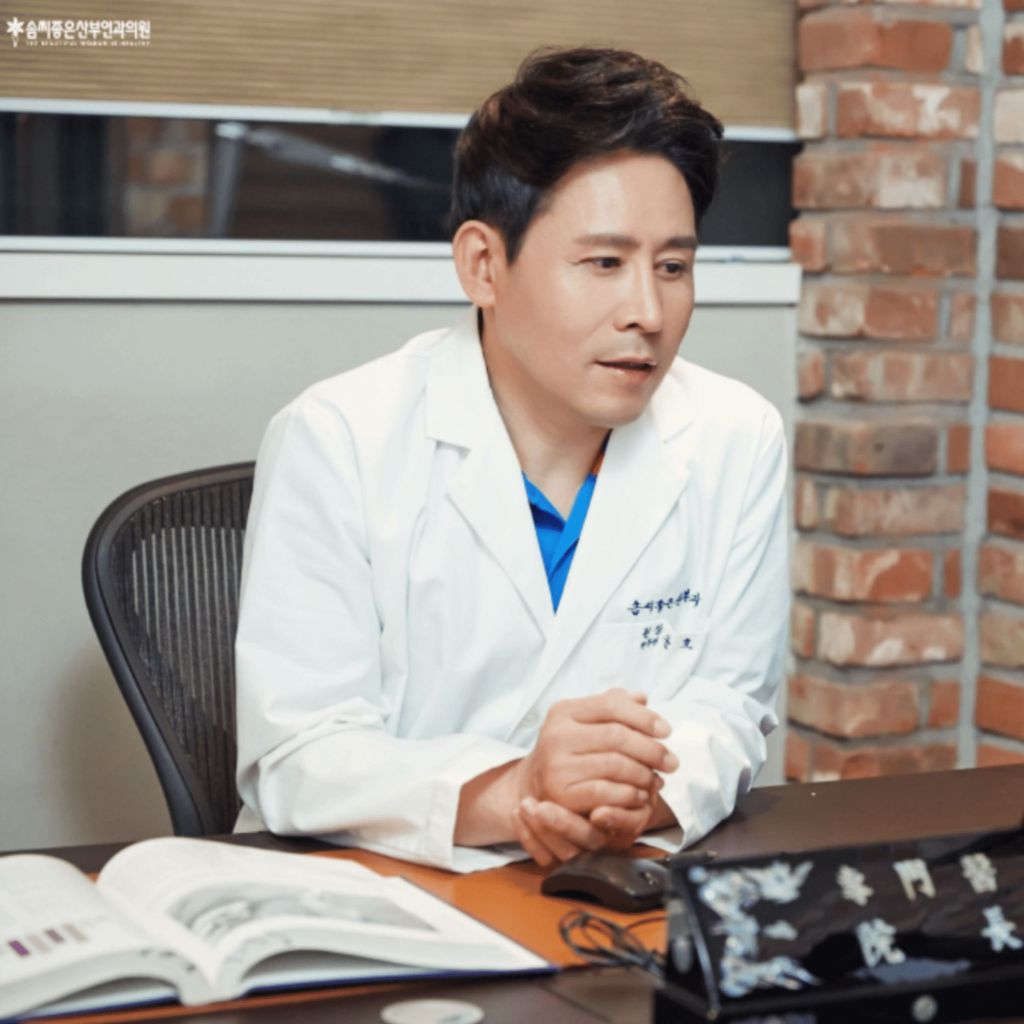
Dr. Hojoo Yun
Associated Clinics · 1

From Research to Clinical Excellence – How One Surgeon is Redefining Women's Pelvic Health
In the evolving landscape of female sexual medicine and pelvic reconstruction, few surgeons have achieved the combination of rigorous scientific research, advanced surgical innovation, and patient-centered care that characterizes Dr. Hojoo Yun's practice. As the founder and representative director of Somssi Women Clinic in Gangnam, Seoul, Dr. Yun has spent over 26 years investigating the anatomical and functional dimensions of female pelvic health—work that has positioned him as a leading authority in urogynecology and aesthetic gynecology both domestically and internationally.
"The goal of pelvic reconstruction is not to create an artificially altered anatomy," Dr. Yun explains. "It is to restore normal, functional pelvic support structures that have been compromised by childbirth, aging, or disease. When we restore function, aesthetic improvement follows naturally."
This philosophy—grounded in 26 years of continuous clinical research and refined through thousands of surgical cases—reflects a fundamental shift in how advanced female pelvic surgery is approached. Rather than viewing vaginal rejuvenation as a purely cosmetic procedure, Dr. Yun and colleagues increasingly recognize it as legitimate reconstructive medicine, addressing both structural pathology and functional impairment.
The Clinical Problem: Why Conventional Treatments Fall Short
Women experiencing pelvic floor dysfunction face a troubling clinical reality. Common symptoms—vaginal laxity, sensation loss during intercourse, pelvic heaviness, urinary incontinence, recurrent infections, or a sense of descent during activity—are often dismissed or treated with ineffective modalities.
Conventional approaches have relied on generic vaginal tightening procedures, non-invasive treatments like laser therapy or fillers, or pelvic floor physical therapy alone. While these may provide modest improvement in select cases, they frequently fail to address the underlying structural pathology: descent of the uterus and vaginal wall, loss of fascial support, and disruption of the neurovascular network mediating sensation.
For women with moderate-to-severe pelvic floor dysfunction—particularly those with early-stage uterine prolapse or significant sensation loss—conventional approaches prove inadequate. Symptoms persist or recur. Patients search desperately for definitive solutions.
Dr. Yun's 26-year research has focused precisely on this problem: How can we surgically restore pelvic support structures in a way that is durable, functional, and naturally aesthetic? The answer lies in posterior vaginal wall reconstruction—a sophisticated microsurgical technique that has become the centerpiece of his clinical practice.
Posterior Vaginal Wall Reconstruction: Advanced Microsurgery
Posterior vaginal wall reconstruction (PVR) represents a fundamentally different surgical approach. Unlike conventional procedures that employ aggressive tissue excision, PVR is true reconstruction—a microsurgical restoration of the fascial support layer that normally maintains vaginal wall architecture.
The vaginal wall comprises three layers: the outer mucosa (epithelium), the submucosa containing nerves and blood vessels, and the supportive fascia beneath. Traditional vaginal tightening often damages neural and vascular structures, resulting in chronic dysesthesia, reduced sensation, and scarring.
Dr. Yun's microsurgical technique preserves these critical structures:
Precise epithelial dissection: Only the mucosal layer is carefully separated, using specialized instruments and meticulous technique—no aggressive stripping, no collateral damage.
Neural and vascular preservation: The submucosa, rich with sensory nerves and blood vessels, is carefully preserved throughout. This is the key to maintaining sensation and promoting tissue vitality.
Fascial reconstruction: The underlying support layer is reconstructed and reinforced, restoring normal vaginal wall contour and pelvic floor support without excessive tension.
Precision instrumentation: Dr. Yun holds a patent for a specialized micro-needle scissor—a surgical instrument designed for ultra-precise tissue handling in female pelvic microsurgery.
The clinical result is a vaginal wall restored to normal anatomy, with maintained sensory function, rapid healing with minimal scarring, and durable pelvic support. For women with significant dysfunction, symptom improvement is often profound and sustained.
Clinical Indications: When Reconstruction Is Appropriate
Dr. Yun's research has clarified the clinical indications for posterior vaginal wall reconstruction:
Uterine descent and early-stage prolapse: Women report pelvic heaviness, pressure, urinary symptoms, or stress incontinence. PVR combined with uterine repositioning effectively addresses these symptoms.
Vaginal laxity and sensation loss: Following childbirth, women often report reduced sensation during intercourse, diminished arousal, or difficulty achieving orgasm. Dr. Yun's research has documented the correlation between structural laxity and functional complaints, establishing the surgical rationale.
Structural sagging of vaginal anatomy: Loss of vaginal wall definition and generalized laxity often manifests as sensation of descent or discomfort during activity.
Recurrent vaginal infections and dryness: These can result from compromised pelvic floor function. While local treatments provide temporary relief, definitive improvement often requires restoration of normal anatomical support.
Sexual dysfunction related to pelvic pathology: Dr. Yun's published research has explored the relationship between vaginal structure, sensation, and sexual response. For select patients with documented structural deficits, reconstruction significantly improves function.
Activity-related pelvic symptoms: Sensation of descent during exercise, heaviness with prolonged standing, or discomfort during physical activity can be effectively addressed through reconstructive surgery.
The One-Day Surgical System: Integrating Diagnosis and Treatment
One of Dr. Yun's major innovations is the One-Day Surgical System—integrating comprehensive diagnosis and treatment in a single visit. Rather than requiring multiple appointments for imaging, consultation, and delayed scheduling, this system streamlines the patient journey.
The process includes:
AI-assisted cervical cancer screening with real-time pathological interpretation—identifying any cervical abnormalities simultaneously.
High-resolution transvaginal endoscopy—enabling direct visualization of vaginal anatomy, identification of structural deficits, assessment of prolapse severity, and imaging documentation.
Transvaginal ultrasound with 3D reconstruction—providing objective measurement of pelvic organ position, fascial integrity assessment, and baseline anatomical documentation.
Comprehensive clinical consultation—combining imaging findings with patient history and examination to formulate detailed surgical planning.
Same-day surgical intervention—if appropriate and desired, surgery can be completed the same day.
This integrated approach eliminates the delay and anxiety of multiple visits, reduces total time and expense, and ensures the diagnostic surgeon is the same surgeon performing reconstruction—maintaining continuity and surgical precision.
Minimally Invasive Surgery with Rapid Recovery
A major concern for women considering pelvic reconstruction is recovery. Dr. Yun's surgical approach directly addresses these concerns:
Local anesthesia compatibility—Most procedures are performed under local anesthesia with light sedation, avoiding general anesthesia risks. Patients remain responsive and experience minimal postoperative nausea.
Minimized intraoperative blood loss—Through meticulous technique, careful hemostasis, and precision dissection, operative blood loss is kept minimal. This translates to less inflammation, faster healing, and reduced transfusion risk.
Optimized pain management—Rather than relying solely on opioids, Dr. Yun employs multimodal analgesia combining local anesthesia, non-opioid medications, and supportive care. The result is effective pain control with minimal medication burden.
Rapid functional recovery—Most patients resume basic activities by postoperative day one. While tissue remodeling continues over weeks, the dramatic reduction in immediate discomfort sets Dr. Yun's approach apart from conventional techniques.
This recovery trajectory significantly improves patient satisfaction. Women return to work, childcare, and essential activities within days rather than weeks—a meaningful quality-of-life difference.
Evidence-Based Medicine: Research Translates to Practice
Throughout his career, Dr. Yun has maintained commitment to evidence-based medicine. His published research spans multiple dimensions of female sexual medicine and pelvic reconstruction:
Anatomical and physiological studies have explored the relationship between vaginal wall structure, neurovascular integrity, and sensation—establishing the scientific rationale for nerve and vessel-preserving techniques.
Clinical outcomes research has documented PVR efficacy in improving both structural parameters (vaginal wall contour, support) and functional outcomes (sensation, sexual satisfaction, symptom resolution). These studies are published in peer-reviewed domestic and international journals.
Comparative effectiveness studies have compared Dr. Yun's reconstructive approach to alternative surgical and non-surgical modalities, demonstrating superior durability and functional outcomes with anatomically-based reconstruction.
Technical innovation studies have explored refinement of microsurgical techniques and instrumentation. Dr. Yun's micro-needle scissor patent exemplifies this commitment to continuous improvement.
This research-to-practice integration ensures clinical recommendations are grounded in scientific evidence. It allows Dr. Yun to continuously refine surgical techniques based on outcomes data and to contribute to broader field advancement.
International Recognition and Academic Impact
Dr. Yun's work has achieved international recognition. His research has been presented at major global conferences:
The International Society for the Study of Women's Sexual Health (ISSWSH)—the leading global organization for female sexual medicine—where his papers on posterior vaginal wall reconstruction and female sexual function have been accepted for presentation.
The International Pelvic Floor Dysfunction Society (IPFDS)—a premier pelvic floor disorders organization—where his research on surgical reconstruction and functional outcomes has contributed to scientific dialogue.
The World Association for Sexual Health (WAS)—the global forum for sexual health research and practice—where his work on vaginal anatomy and sexual function has been disseminated internationally.
This international engagement underscores the quality and relevance of Dr. Yun's contributions and positions Somssi Women Clinic as a destination for patients and professionals seeking advanced female pelvic reconstruction and sexual medicine.
Somssi Women Clinic: A Dedicated Center of Excellence
Located in Gangnam, Seoul, Somssi Women Clinic represents Dr. Yun's vision for a comprehensive center dedicated exclusively to female sexual medicine and pelvic reconstruction. The clinic combines surgical expertise with advanced diagnostic technology and patient-centered care.
Diagnostic capabilities include AI-assisted cervical cancer screening with real-time analysis, high-resolution transvaginal endoscopy, advanced three-dimensional ultrasound, and comprehensive pelvic floor assessment—enabling precise diagnosis and surgical planning.
Surgical facilities feature specialized instruments for microsurgery, advanced hemostasis technology, and real-time monitoring systems. The operating theater is designed specifically for female pelvic reconstruction with optimized ergonomics and lighting.
Patient services include comprehensive preoperative consultation and education, detailed informed consent discussions, professional anesthesia and nursing support, and structured postoperative care with remote follow-up. The clinic accommodates both domestic and international patients with multilingual support and medical tourism coordination.
Location: 120 Teheran-ro, Gangnam-gu, Seoul (Sangkyung Building, 7th Floor), accessible from Gangnam Station. Contact: +82-2-575-1599.
Real-World Outcomes and Patient Impact
Dr. Yun distinguishes himself through transparency in outcomes reporting. Rather than presenting retouched photographs, the clinic publishes objective clinical data and patient-consented surgical documentation.
Patients consistently report:
Significant symptom improvement—Resolution or substantial reduction of pelvic heaviness, pressure, sensation loss, incontinence, and sexual dysfunction.
Rapid recovery—Most patients resume normal activities within days to weeks—dramatic improvement over conventional approaches.
Natural anatomical results—Restored vaginal anatomy appears and functions naturally, without overly tight or artificially altered appearance.
Sustained durability—Unlike non-invasive modalities requiring repeated treatments, anatomically-based reconstruction results are durable and long-lasting.
Improved sexual function—Enhanced sensation, improved arousal and orgasmic response, and greater sexual confidence—changes many describe as life-changing.
Conclusion: Excellence Through Dedication to Research and Patient Care
Dr. Hojoo Yun's 26-year career exemplifies combining rigorous scientific research with clinical excellence and patient-centered care. His pioneering work in posterior vaginal wall reconstruction and female sexual medicine has established new standards for treating pelvic floor dysfunction. His commitment to evidence-based medicine, microsurgical precision, and innovative technique has positioned him as a leading authority domestically and internationally.
For women experiencing pelvic floor dysfunction—whether sensation loss, incontinence, sexual dysfunction, or pelvic organ descent—Dr. Yun and Somssi Women Clinic represent a destination for definitive, evidence-based reconstructive treatment. His work demonstrates that female sexual medicine and pelvic reconstruction are legitimate branches of reconstructive surgery deserving the highest standards of clinical rigor and surgical skill.