logo
Back to Magazine List

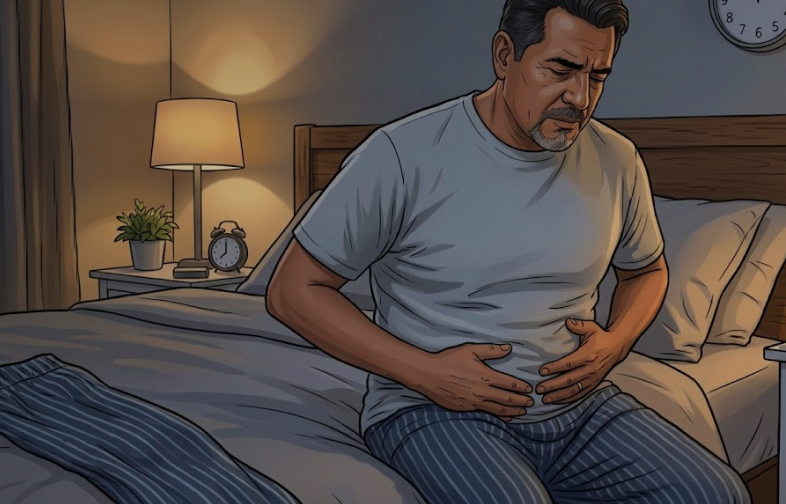
"Waking Up for the Bathroom Every Night?" Prostate Health Determines a Good Night's Sleep

Prostate & Urinary Care is designed for men experiencing urinary discomfort, age-related prostate changes, and related symptoms that affect everyday comfort, sleep, and quality of life.

PART 1. Prostate Condition Consultation
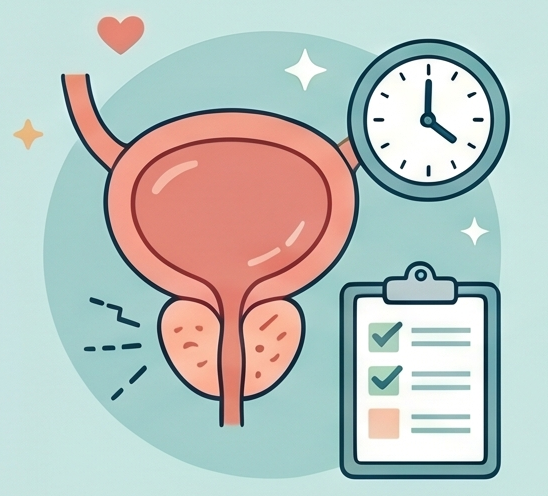
1. Treatment Method
  • Symptoms such as weak urinary stream, frequent urination, and prostate-related discomfort are reviewed by a specialist.
  • Diagnostic evaluation may be added when clinically indicated.
  • The treatment plan is tailored according to symptom severity and findings.
2. Effects / Benefits
  • Supports earlier recognition of prostate-related problems
  • Helps patients understand whether symptoms may be linked to prostate changes
  • Improves the accuracy of long-term management planning
  • Can reduce uncertainty around persistent urinary discomfort

PART 2. Lower Urinary Tract Symptom Care

1. Treatment Method
  • Common urinary symptoms such as urgency, frequency, nocturia, and incomplete emptying are evaluated in detail.
  • Additional testing may be recommended to determine the likely cause.
  • Care is planned according to symptom pattern and daily-life impact.
2. Effects / Benefits
  • Provides a structured approach to bothersome urinary symptoms
  • Supports more precise diagnosis and symptom control
  • May improve sleep quality and daily comfort
  • Helps patients recognize patterns that need follow-up

PART 3. Urinary Function Checkup

1. Treatment Method
  • Urinary function is reviewed based on symptom history, voiding difficulty, and related discomfort.
  • Clinical assessment is used to decide whether further testing or continued observation is appropriate.
  • Results guide both short-term and ongoing treatment strategy.
2. Effects / Benefits
  • Helps organize and monitor urinary symptoms systematically
  • Supports better follow-up care
  • Improves understanding of functional changes over time
  • Useful for patients with persistent or changing symptoms

PART 4. Recurrent Discomfort & Follow-up Care

1. Treatment Method
  • Persistent or recurring urinary discomfort is reviewed through repeat consultation and symptom tracking.
  • Follow-up care is adjusted according to symptom response and new findings.
  • A physician may refine the management plan for better long-term results.
2. Effects / Benefits
  • Supports continuity of care in chronic or repeating symptoms
  • Allows treatment adjustments based on real progress
  • Improves monitoring for unresolved discomfort
  • Encourages safer and more stable long-term management
Back to Magazine List