logo
Back to Magazine List

"Anxious when laughing or exercising?" Urinary Incontinence Treatment to Improve Your Quality of Life

Date Published
Date Modified
"Anxious when laughing or exercising?" Urinary Incontinence Treatment to Improve Your Quality of Life
Incontinence & Pelvic Care focuses on bladder control issues, pelvic floor weakness, and postpartum functional recovery through tailored evaluation and women-centered treatment.

PART 1. Stress Urinary Incontinence Treatment
1. Treatment Method
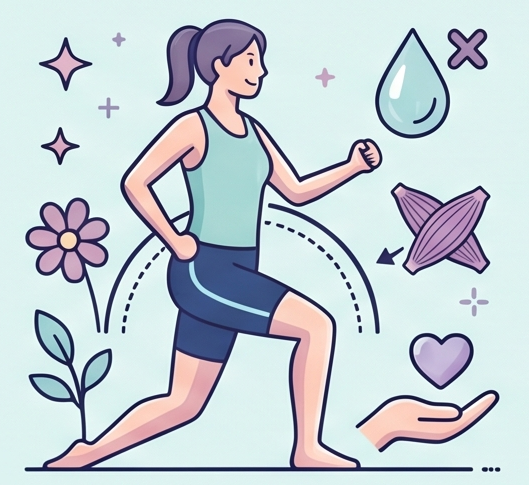
  • A physician evaluates urine leakage symptoms that occur during coughing, laughing, exercise, or movement.
  • Treatment options are recommended based on severity and lifestyle impact.
  • Individualized care may include non-surgical or procedural management.
2. Effects / Benefits
  • Helps reduce involuntary urine leakage
  • Improves comfort in daily and social activities
  • Supports better bladder control
  • Enhances quality of life

PART 2. Pelvic Floor Strengthening Care

1. Treatment Method
  • The pelvic floor is assessed for weakness or imbalance.
  • Rehabilitation-based or supportive treatment may be provided according to the patient’s condition.
  • It is often considered after childbirth or with age-related changes.
2. Effects / Benefits
  • Supports pelvic floor muscle strength
  • Helps improve bladder and pelvic support
  • Promotes postpartum recovery
  • Encourages long-term pelvic wellness

PART 3. Bladder Function Evaluation

1. Treatment Method
  • Symptoms such as urgency, frequency, nocturia, or incomplete emptying are carefully evaluated.
  • Additional tests may be performed when necessary.
  • The findings are used to guide accurate treatment planning.
2. Effects / Benefits
  • Clarifies the cause of urinary symptoms
  • Supports more precise diagnosis
  • Helps distinguish different types of incontinence
  • Improves treatment efficiency and patient understanding

PART 4. Postpartum Pelvic Recovery Program

1. Treatment Method
  • Post-delivery changes in pelvic support and bladder function are assessed.
  • Recovery-focused treatment is planned according to symptoms and postpartum stage.
  • Care may include non-surgical support and customized management.
2. Effects / Benefits
  • Supports recovery after childbirth
  • Helps reduce pelvic heaviness and urinary discomfort
  • Improves physical comfort in daily life
  • Encourages a healthier postpartum recovery process
Back to Magazine List