logo
Back to Magazine List

Incisional vs. Non-incisional (FUE): A Complete Comparison for a Successful Hair Transplant Choice

Hair Transplant is a precise surgical treatment that restores thinning or balding areas by harvesting and transplanting a patient’s own hair follicles.
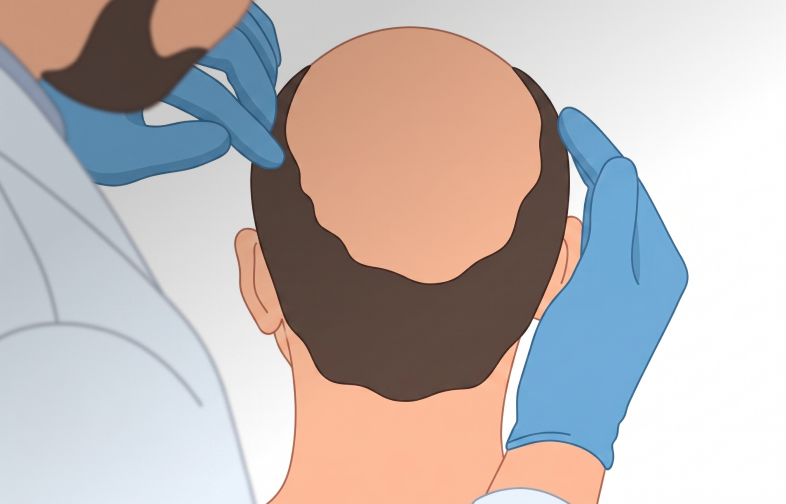
The procedure is carefully customized through a comprehensive analysis of scalp condition, hair thickness, pattern and progression of hair loss, as well as the hairline and density, to achieve results optimized for each individual’s hair loss pattern.

PART 1. FUE (Follicular Unit Extraction)
1. Surgical Method
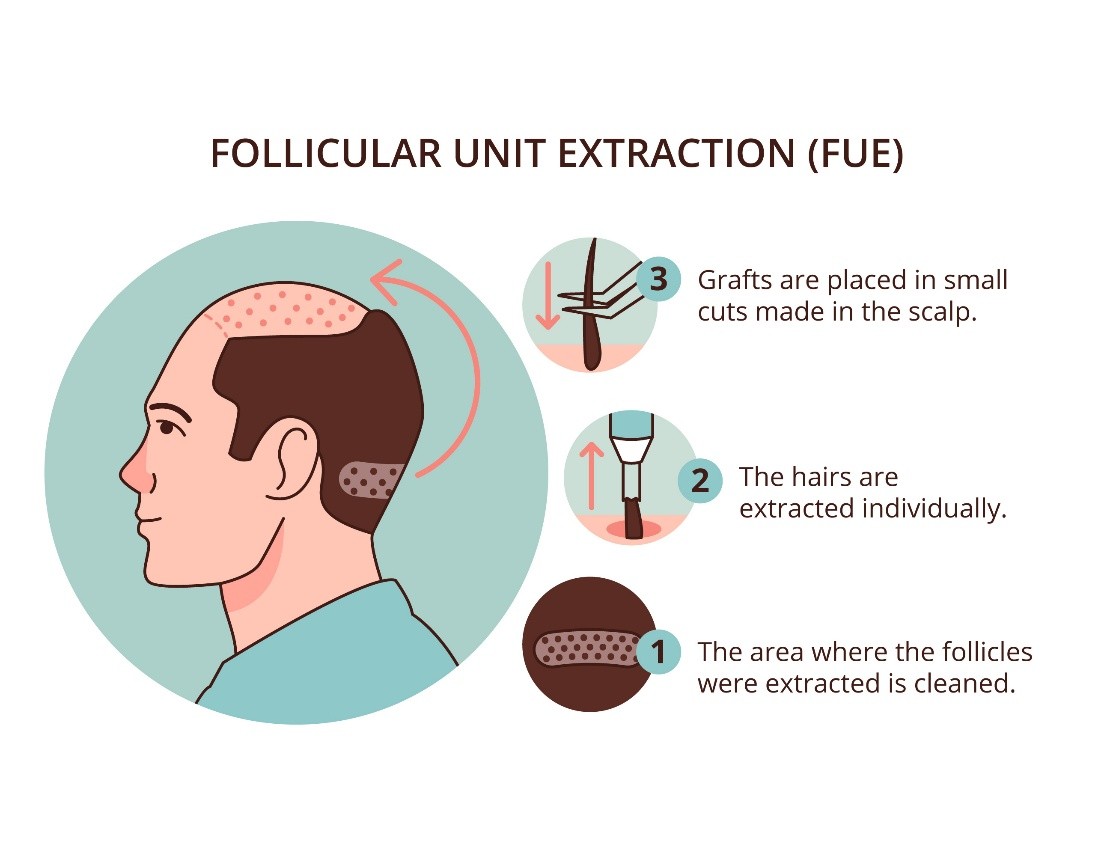
  • Individual follicular units are harvested from the donor area (typically the occipital scalp) using a punch device
  • A non-incisional technique that minimizes scarring
  • Harvested follicles are meticulously implanted into thinning or balding areas, follicle by follicle
2. Benefits / Effects
  • Non-incisional hair transplant with relatively short recovery time
  • Tiny dot-like scars that are barely noticeable
  • Applicable to various areas such as the hairline and crown
  • Advantageous for achieving natural direction and density
PART 2. FUT (Follicular Unit Transplantation)

1. Surgical Method
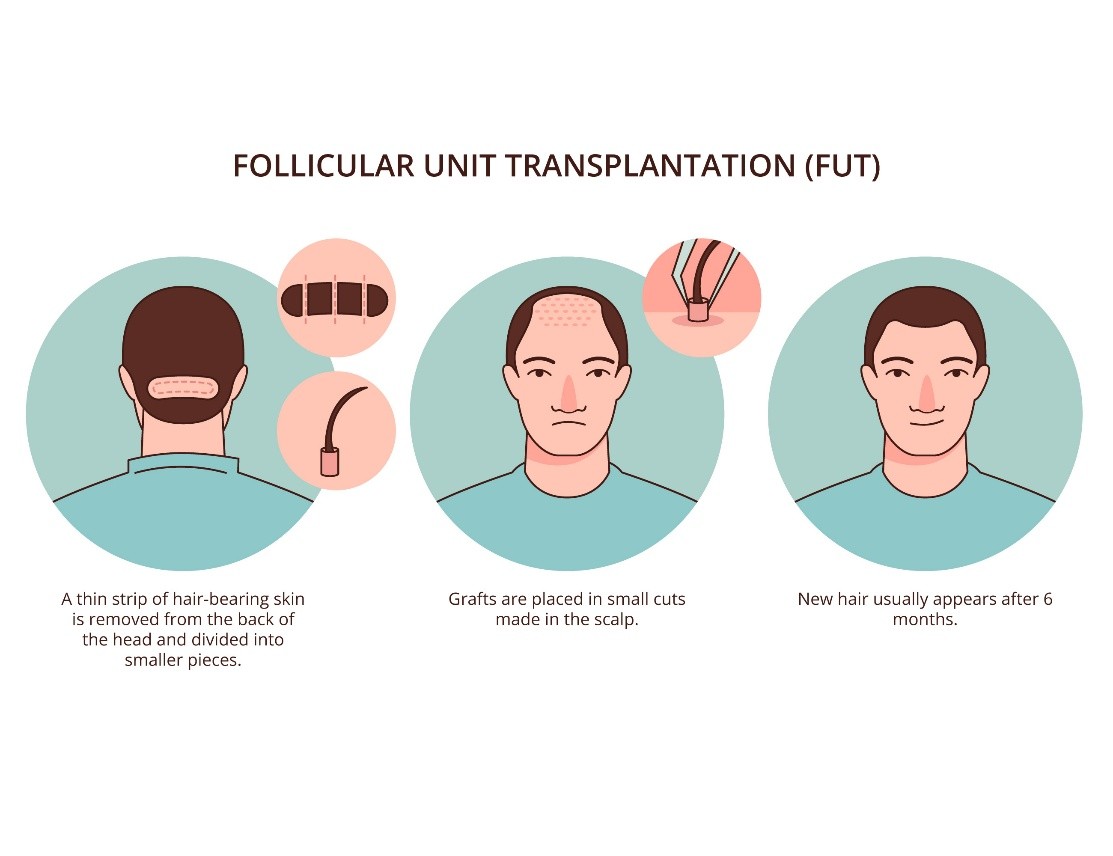
  • A thin strip of scalp is harvested from the donor area
  • Follicular units are carefully separated under microscopic guidance
  • An incision-based method suitable for large-volume transplantation
2. Benefits / Effects
  • Ability to secure a large number of follicles in a single session
  • Effective for extensive hair loss areas
  • Suitable for cases requiring high-density transplantation
  • Stable follicle harvesting even in patients with finer hair or weaker scalp conditions

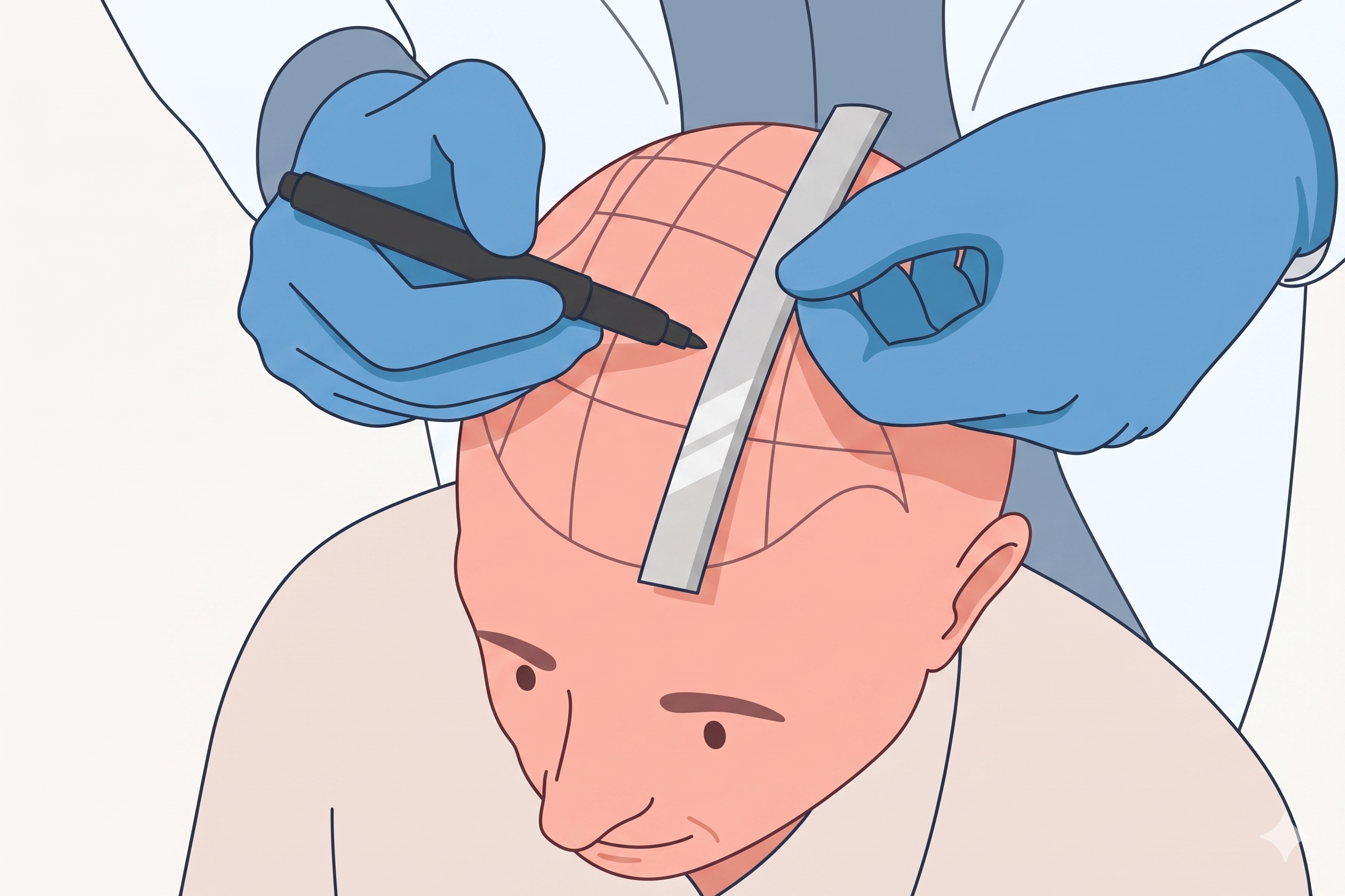
PART 3. Hair Transplant Design Consultation

1. Process
  • Customized design based on analysis of facial shape, muscle movement, and existing hair patterns
  • Natural hairline planning that also considers future hair loss progression
  • Detailed planning of required follicle count and transplantation strategy
2. Expected Outcomes
  • A natural-looking hairline without an artificial appearance
  • Harmonious balance with overall facial proportions
  • Balanced correction of high- and low-density areas
  • Stable, long-lasting results over time
Back to Magazine List