logo
Back to Magazine List

"LASIK? LASEK? SMILE?" A Guide to Choosing the Right Vision Correction Surgery for You

Refractive Surgery is a vision correction program designed to reduce dependence on glasses or contact lenses and restore clear vision by correcting refractive errors of the cornea.
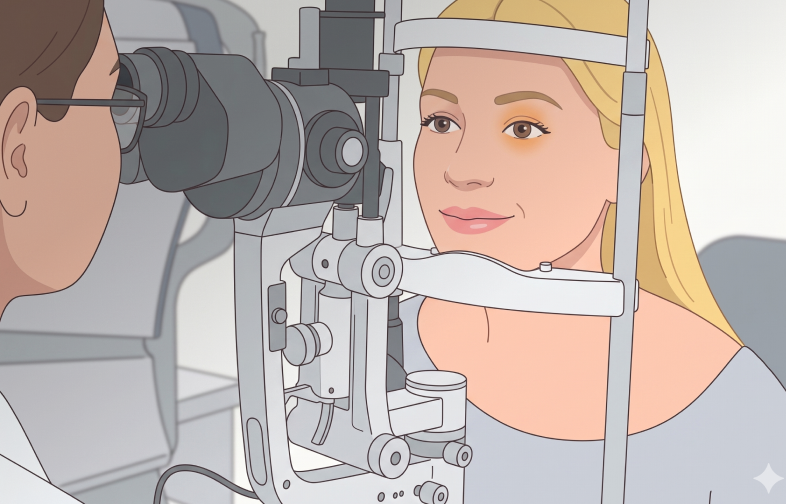
Based on individual eye characteristics—such as corneal thickness, tear film condition, pupil size, and occupation or lifestyle—the most suitable procedure is selected among LASIK, LASEK, and SMILE.

PART 1. LASIK

1. Procedure
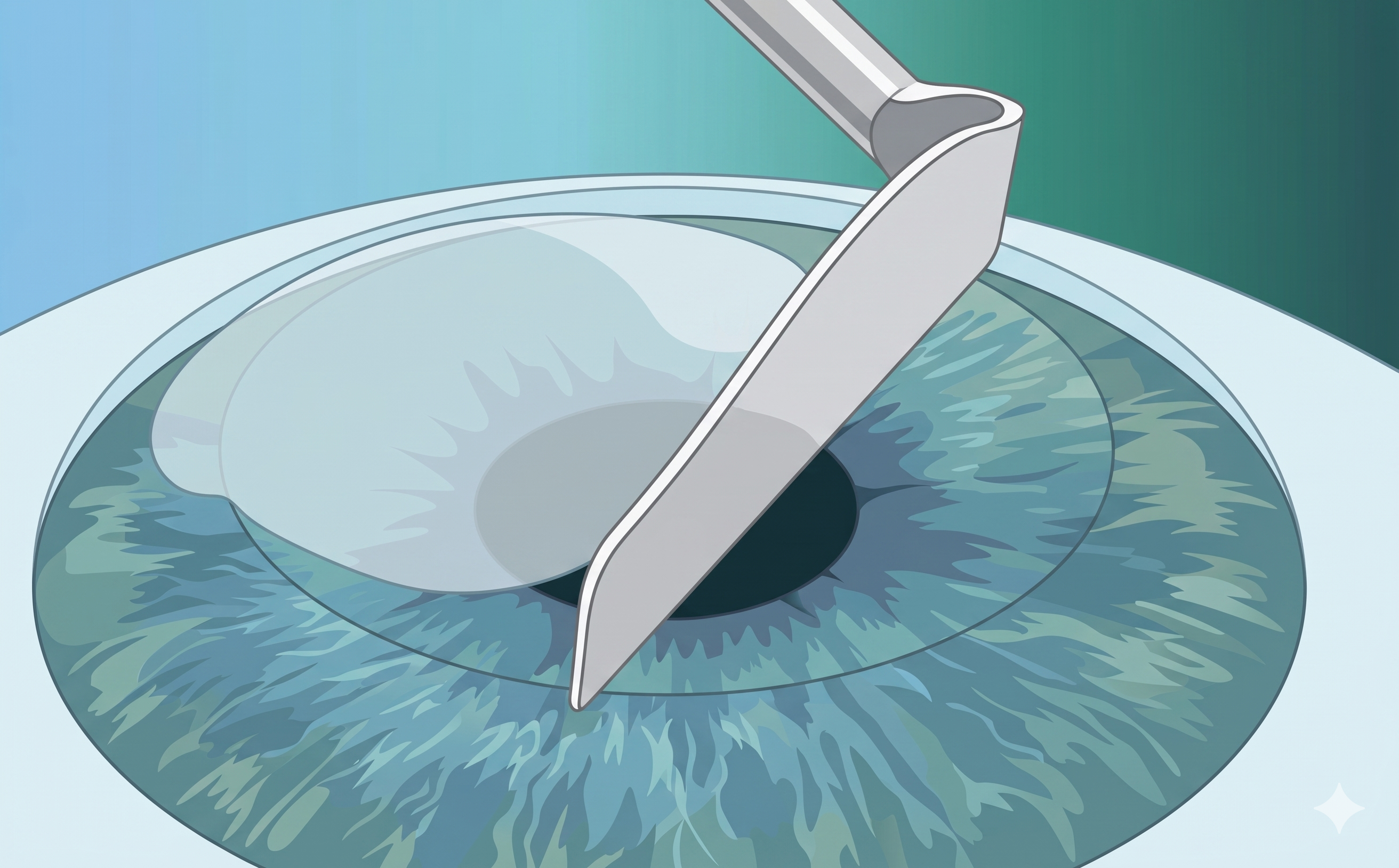
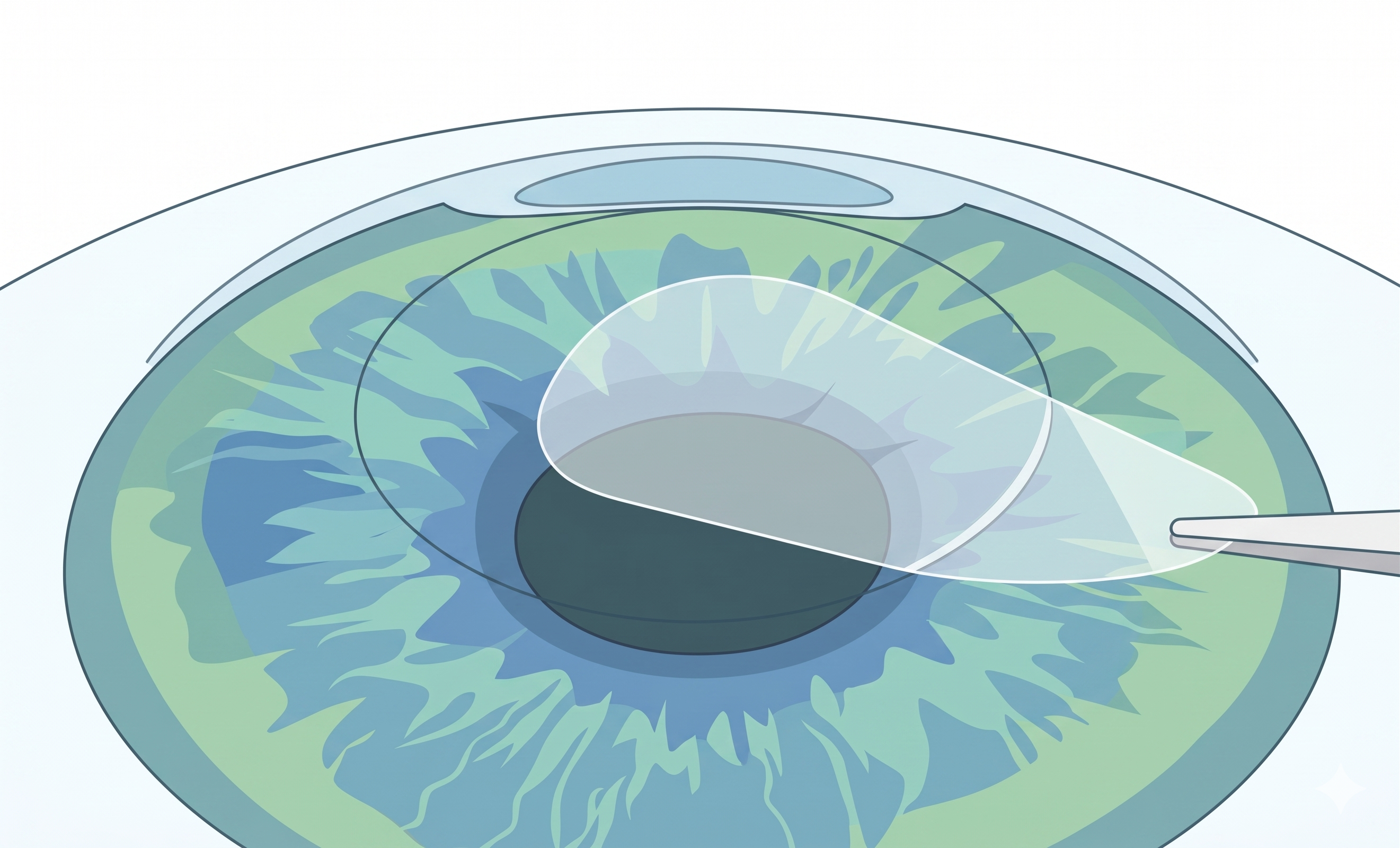
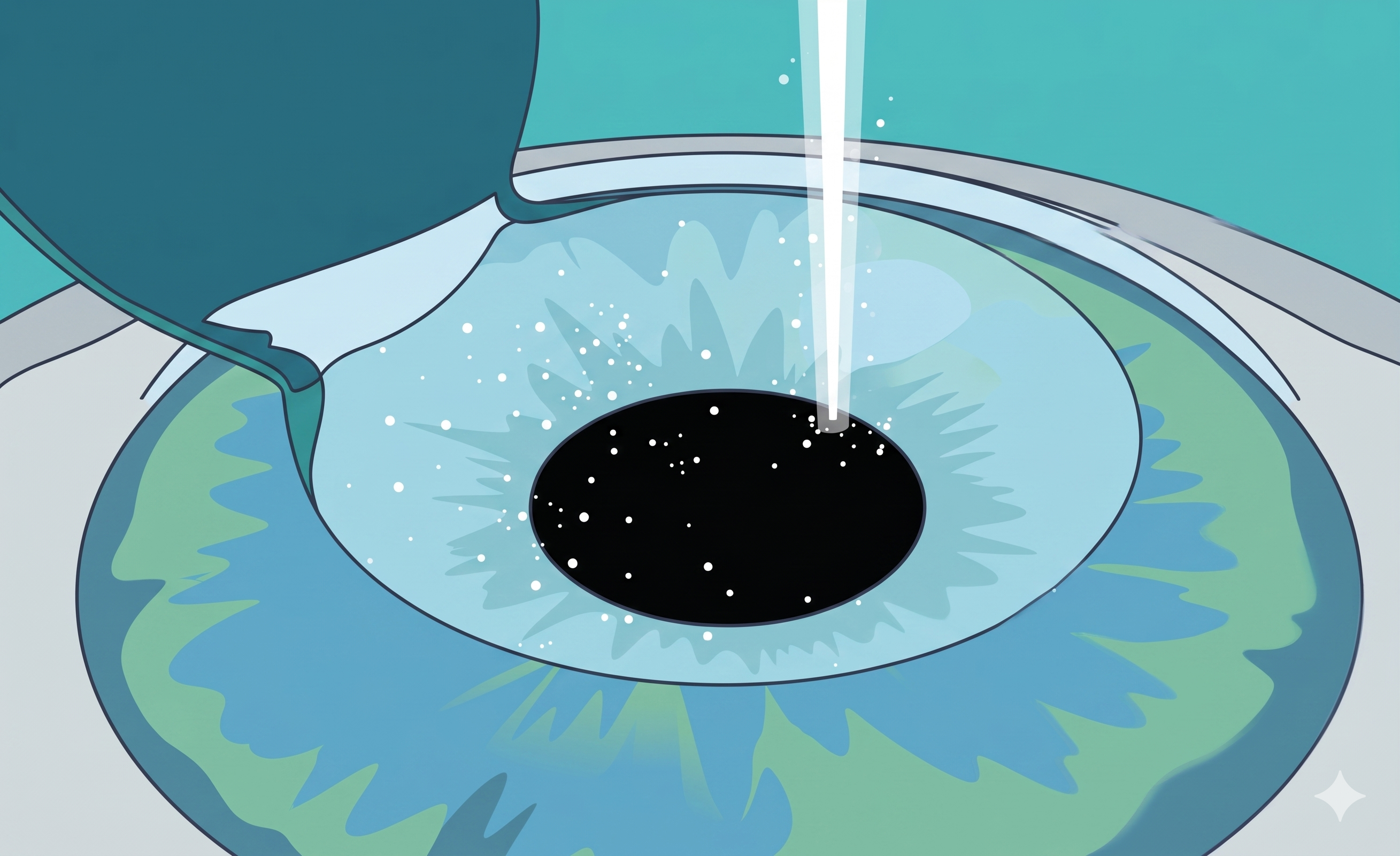
  • A corneal flap is created, and a laser is used to precisely reshape the cornea to correct refractive power.
  • It is one of the most widely performed vision correction surgeries, known for minimal pain and rapid recovery.
2. Benefits / Effects
  • Fast visual recovery
  • Less dryness and quick return to daily activities
  • Effective correction of astigmatism

PART 2. LASEK

1. Procedure
  • After gently removing the corneal epithelium, laser correction is performed, and the epithelium is repositioned to heal naturally.
  • As no corneal flap is created, it is more resistant to external impact.
2. Benefits / Effects
  • Suitable for thin corneas
  • Generally considered safer than LASIK
  • Recommended for patients with physically active jobs or hobbies

PART 3. SMILE

1. Procedure
  • A minimally invasive vision correction procedure in which a lenticule inside the cornea is removed through a micro-incision of about 2 mm.
  • Performed without creating a flap, it is a state-of-the-art technique with reduced pain and fewer side effects.
2. Benefits / Effects
  • Minimal corneal damage → reduced dry eye and nerve injury
  • Fast recovery with little to no pain
  • Applicable for high myopia and high astigmatism
Back to Magazine List