
JC BITSOMANG EYE CLINIC
Associated Clinics · 1
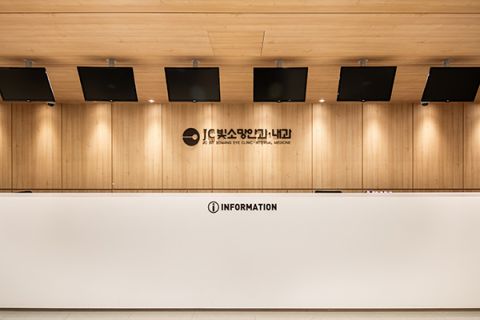
CLINIC OVERVIEW & ESTABLISHMENT
Location, Accessibility & Facilities
Primary Location:
- Address: 6F, Manhattan Building, Gukjegeumyung-ro 6-gil 33, Yeongdeungpo-gu, Seoul (07331)
- Landmark: Former Yeouido Department Store location
- Director: Choi Gyung-bai
Subway Access & Transportation:
- Yeouido Station: Lines 2, 5, 9 - Exits 5 & 6 (direct access, approximately 1-minute walk)
- Nearby Major Locations: Yeouido Park, IFC Seoul, Multiple Financial Institutions
- Parking: Available within Manhattan Building
Clinical Facilities & Infrastructure:
The clinic occupies a dedicated 6-floor facility with comprehensive ophthalmic infrastructure including:
- State-of-the-Art Surgical Suites: Multiple advanced operating rooms with sterile protocols approaching near-perfect sterilization standards
- Advanced Diagnostic Equipment: Comprehensive diagnostic imaging technology for precise ocular assessments
- Recovery & Observation Areas: Dedicated postoperative patient recovery and monitoring facilities
- Consultation Suites: Professional patient consultation and examination rooms
- International Patient Services: Multilingual support and coordination services
Clinical Leadership & Qualifications
Medical Director:
Director Choi Gyung-bai brings extensive training and clinical expertise in comprehensive ophthalmology and advanced ophthalmic surgical procedures. His leadership reflects commitment to clinical excellence, surgical precision, and patient safety.
Specialized Medical Team:
JC BITSOMANG maintains a multidisciplinary team comprising:
- 12+ Board-Certified Ophthalmologists: Subspecialty-trained ophthalmologists representing diverse ophthalmic disciplines
- Internal Medicine Specialists: Consultation regarding systemic diseases affecting ocular health and perioperative management
- Anesthesiologists: Dedicated anesthesia specialists ensuring patient comfort and safety during surgical procedures
- Surgical Nurses & Clinical Staff: Trained surgical and nursing personnel maintaining surgical excellence and patient safety
Professional Certifications & Credentials:
The clinic operates under rigorous professional standards including:
- Korean Medical Board Certification
- Ophthalmology Board Certification (all surgical specialists)
- International ophthalmology credentials and memberships
- Compliance with national and international surgical safety protocols
Clinic Philosophy & Mission
"Early Detection Saves Sight" Philosophy:
JC BITSOMANG's foundational principle emphasizes preventive ophthalmology, early disease detection, and timely intervention to preserve vision and optimize ocular health. This philosophy drives comprehensive screening, meticulous diagnostic assessment, and patient education regarding eye health preservation.
"One-Stop Ophthalmic Disease Treatment System":
The clinic's integrated care delivery model encompasses:
- Comprehensive Diagnostic Assessment: Detailed ophthalmic evaluation using advanced diagnostic technologies (60+ specialized eye examinations available)
- Surgical Planning & Intervention: Evidence-based surgical approaches tailored to individual patient pathology
- Postoperative Management: Meticulous follow-up care ensuring optimal healing, visual rehabilitation, and long-term outcomes
CORE CLINICAL SPECIALTIES
I. CATARACT SURGERY & PRESBYOPIA MANAGEMENT
Clinical Leadership & Experience
With accumulated experience exceeding 71,000 cataract and presbyopia procedures, JC BITSOMANG represents the premier cataract surgery center in Seoul, delivering exceptional outcomes for patients with age-related lens opacification and presbyopia.
Cataract Surgery
Disease Overview & Surgical Indications:
Cataracts represent age-related clouding of the natural lens resulting from progressive protein denaturation and cross-linking. The condition leads to progressive vision loss, glare sensitivity, and reduced visual quality. Advanced cataract surgery restores vision through precise lens removal and intraocular lens implantation.
Surgical Approach & Technology:
Advanced Phacoemulsification Technique:
- Ultrasound-Assisted Lens Fragmentation: Precise ultrasonic lens disruption enabling smaller surgical incisions
- Aspiration-Irrigation System: Controlled lens fragment and cortical material removal
- Minimal Incision Technology: Small-incision surgical approach (typically 2.2-2.8mm) enabling rapid visual recovery and minimal astigmatism induction
- Real-Time Anterior Segment Visualization: Advanced surgical microscopy enabling meticulous tissue manipulation and safety
Intraocular Lens (IOL) Options:
Patients benefit from comprehensive IOL selection including:
- Monofocal IOLs: Premium single-distance focus lenses providing excellent distance or near vision
- Multifocal IOLs: Advanced lenses providing simultaneous distance and near focus
- Toric IOLs: Specialized lenses correcting pre-existing astigmatism
- Extended Depth-of-Focus (EDOF) IOLs: Innovative lenses providing broader visual range
- Premium IOL Coatings: Blue-light filtering technology protecting macular health
Surgical Outcomes:
Clinical results demonstrate:
- Rapid Visual Recovery: Most patients achieve functional vision within days
- Refractive Accuracy: Precise lens power calculations optimizing desired refractive outcome
- Minimal Complications: Infection rates <0.1%, posterior capsule opacification managed through laser capsulotomy when indicated
- High Patient Satisfaction: 95%+ patient satisfaction with visual outcomes and quality of life improvement
Presbyopia Management
Presbyopia-Correcting Surgical Options:
JC BITSOMANG offers advanced presbyopia-correcting approaches for patients desiring near and distance vision:
- Bilateral Multifocal IOL Implantation: Simultaneous near and distance focus through multifocal optical technology
- Monovision Strategy: Unilateral distance focus with contralateral near focus optimization
- Blended Vision: Customized approach balancing distance and near visual requirements
Patient Selection & Counseling:
Comprehensive preoperative counseling ensures realistic expectations regarding:
- Potential for near vision through multifocal technology
- Possible minimal glare or halo phenomena in low-light conditions
- High patient satisfaction rates (>90%) with appropriately-selected presbyopia-correcting options
Postoperative Management
Comprehensive Postoperative Care Protocol:
Following cataract surgery, patients receive meticulous management including:
- Frequent Follow-up Visits: Regular postoperative examinations during critical healing period (day 1, week 1, month 1, month 3, month 6)
- Topical Medication Management: Customized antibiotic and anti-inflammatory drops
- Refractive Stabilization: Assessment and optimization of refractive outcome
- Patient Education: Instructions regarding activity restrictions, medication compliance, and warning signs
II. REFRACTIVE SURGERY - LASIK & LASEK
Advanced Laser Vision Correction
LASIK Surgery (Laser-Assisted In Situ Keratomileusis)
Technology & Surgical Technique:
LASIK represents the most popular elective refractive surgical procedure worldwide, correcting myopia, hyperopia, and astigmatism through precise corneal reshaping.
Advanced LASIK Technology at JC BITSOMANG:
- Wavefront-Guided Laser Technology: Advanced excimer laser systems analyzing and correcting individual corneal aberrations beyond standard refractive error
- Femtosecond Laser Flap Creation: Precision microkeratome creating uniform corneal flaps enabling optimal stromal ablation
- Real-Time Eye Tracking: Sophisticated eye-tracking systems maintaining laser alignment during corneal reshaping
- Customized Ablation Profiles: Patient-specific laser ablation patterns optimizing visual quality and refractive accuracy
Clinical Applications:
LASIK corrects:
- Myopia (Nearsightedness): Up to -12.00 diopters
- Hyperopia (Farsightedness): Up to +6.00 diopters
- Astigmatism (Irregular Corneal Shape): Up to 6.00 diopters of cylindrical power
- Mixed Refractive Errors: Simultaneous correction of multiple refractive components
Surgical Advantages:
- Rapid Visual Recovery: Most patients achieve 20/20 vision within 24-48 hours
- Minimal Discomfort: Brief surgical procedure with minimal postoperative pain
- Stable Results: Long-term refractive stability with minimal regression
- Lifestyle Enhancement: Freedom from glasses and contact lenses
- Improved Visual Quality: Many patients experience superior uncorrected vision compared to spectacle-corrected vision
Candidate Selection:
Ideal LASIK candidates demonstrate:
- Stable refractive error (no significant changes in past 12 months)
- Adequate corneal thickness (minimum 500 microns residual stromal bed)
- Healthy ocular surface without significant dry eye syndrome
- Realistic expectations regarding outcomes and potential limitations
- Age >18 years with fully developed visual system
LASEK Surgery (Laser Epithelial Keratomileusis)
Advantage for Thin Corneas & Special Cases:
LASEK represents an alternative refractive correction approach particularly beneficial for patients with thin corneas, irregular astigmatism, or occupation-related concerns regarding corneal flap creation.
LASEK Technique:
- Alcohol-Assisted Epithelial Loosening: Chemical separation of corneal epithelium
- Manual or Mechanical Epithelial Removal: Gentle epithelial layer removal without microkeratome
- Direct Stromal Laser Ablation: Precise excimer laser reshaping of exposed corneal stroma
- Protective Contact Lens Placement: Therapeutic lens protecting epithelial regeneration
LASEK Advantages:
- Preserves Corneal Thickness: Eliminates flap creation, preserving additional stromal tissue
- Suitable for Thin Corneas: Enables refractive correction in patients unsuitable for LASIK
- Reduced Flap-Related Complications: Eliminates potential flap dislocation or striae
- Excellent for Contact Lens Wearers: Provides stable correction after contact lens-induced corneal warping
LASEK Considerations:
- Slower Visual Recovery: Vision stabilization typically requires 1-2 weeks
- Mild Postoperative Discomfort: Greater initial postoperative surface discomfort compared to LASIK
- Extended Epithelial Healing: Epithelial surface healing requiring careful management and protective lens care
Postoperative Management & Long-Term Outcomes
Immediate Postoperative Period (Days 1-7):
- Frequent topical antibiotic and anti-inflammatory medication
- Protective contact lens in LASEK patients
- Activity restriction (avoid strenuous exercise and water exposure)
- Patient education regarding warning signs
Progressive Recovery Phase (Weeks 1-3):
- Gradual visual stabilization and clarity improvement
- Progressive reduction in postoperative dry eye symptoms
- Return to normal daily activities
- Continued topical medication management
Long-Term Stability (Months 1-6):
- Final refractive outcome assessment
- Evaluation of visual quality and satisfaction
- Minimal regression expectations (<0.25 diopters)
- Transition to routine preventive eye care
Long-Term Outcomes (5-10+ Years):
- Stable refractive correction maintained
- Excellent patient satisfaction (>95% satisfaction with procedure)
- Minimal complications with appropriate preoperative candidate selection
- Presbyopia considerations in patients age >40 years
III. RETINAL SURGERY & VITREOUS DISORDERS
Advanced Vitreoretinal Surgery
Surgical Expertise & Technology:
JC BITSOMANG maintains premier expertise in complex retinal pathology requiring advanced surgical intervention. Subspecialty-trained retinal surgeons manage diverse retinal conditions through minimally invasive vitrectomy and retinal procedures.
Retinal Detachment Repair
Disease Overview:
Retinal detachment represents ophthalmologic emergency characterized by separation of the neurosensory retina from underlying retinal pigment epithelium and supporting tissue. Without prompt surgical repair, progressive vision loss culminates in permanent blindness.
Surgical Treatment Approaches:
Pneumatic Retinopexy:
- Gas Bubble Tamponade: Injection of expandable gas bubble into vitreous cavity providing internal retinal support
- Suitable for: Uncomplicated detachments in superior retinal location
- Advantages: Single outpatient procedure avoiding vitrectomy
- Requirements: Strict postoperative positioning to maintain gas-retinal contact
Scleral Buckle Surgery:
- External Indentation: Surgical placement of silicone scleral buckle creating inward indentation
- Chorioretinal Adhesion: Cryotherapy or laser inducing chorioretinal adhesion supporting retinal reattachment
- Advantages: Maintains clear optical media in phakic eyes
- Time-Tested Approach: Proven effectiveness over decades of clinical use
Pars Plana Vitrectomy:
- Internal Vitrectomy: Removal of vitreous gel enabling direct retinal visualization and manipulation
- Membrane Peeling: Removal of proliferative membranes facilitating retinal reattachment
- Internal Tamponade: Injection of gas or silicone oil providing prolonged retinal support
- Superior Results: Particularly effective for complex detachments with proliferative vitreoretinopathy
Combined Approaches:
- Integration of multiple surgical techniques optimizing anatomic and functional outcomes
- Customized approach reflecting individual retinal pathology
Diabetic Retinopathy
Comprehensive Diabetic Eye Disease Management:
Diabetes mellitus causes progressive retinal vascular disease leading to vision-threatening complications. JC BITSOMANG provides comprehensive prevention and treatment.
Disease Spectrum & Surgical Indications:
Non-Proliferative Diabetic Retinopathy (NPDR):
- Retinal microaneurysms and dot-blot hemorrhages
- Hard exudates and cotton-wool spots
- Requires laser treatment and metabolic control
Proliferative Diabetic Retinopathy (PDR):
- Neovascularization (abnormal new vessel growth)
- Vitreous hemorrhage (bleeding into vitreous cavity)
- Tractional retinal detachment (mechanical retinal separation)
Surgical Management:
- Panretinal Photocoagulation (PRP): Laser treatment ablating ischemic retina and suppressing neovascularization
- Anti-VEGF Intravitreal Injections: Medications inhibiting vascular endothelial growth factor reducing neovascularization
- Vitrectomy: Removal of vitreous hemorrhage enabling direct retinal visualization and treatment
- Membrane Peeling: Removal of epiretinal membranes and fibrovascular tissue
- Internal Limiting Membrane Peeling: Enhanced outcomes in selected cases
Prevention & Glycemic Control:
JC BITSOMANG emphasizes diabetes control and early screening:
- Regular comprehensive eye examinations
- Referral to endocrinologists for optimal glycemic control
- Blood pressure and lipid management
- Patient education regarding relationship between metabolic control and retinal health
Macular Degeneration
Age-Related Macular Degeneration (AMD):
AMD represents leading cause of vision loss in elderly populations. JC BITSOMANG provides both preventive care and advanced treatment.
Dry AMD Management:
- Nutritional supplementation (AREDS formulations)
- Lifestyle modifications
- Regular monitoring with advanced imaging (OCT)
- Early detection of conversion to wet AMD
Wet AMD Treatment:
- Anti-VEGF Therapy: Intravitreal injections of VEGF antagonists (bevacizumab, ranibizumab, aflibercept)
- Photodynamic Therapy (PDT): Laser treatment with verteporfin photosensitizer
- Laser Photocoagulation: Direct thermal ablation of choroidal neovascularization
- Sequential Combination Therapy: Optimal outcomes through combined modalities
Surgical Interventions:
- Submacular Surgery: Removal of subfoveal hemorrhage or fibrotic tissue
- Choroidal Neovascularization Membrane Removal: Direct surgical excision when indicated
- Retinal Pigment Epithelium Transplantation: Advanced regenerative approaches in selected cases
Retinal Vein & Artery Occlusions
Retinal Vascular Occlusion Management:
Retinal artery and vein occlusions represent vascular emergencies requiring urgent intervention to preserve vision.
Central Retinal Vein Occlusion (CRVO):
- Intravitreal Injections: Anti-VEGF therapy managing macular edema and secondary neovascularization
- Laser Photocoagulation: PRP preventing angle-closure glaucoma
- Corticosteroid Injections: Intravitreal corticosteroids managing edema
Branch Retinal Vein Occlusion (BRVO):
- Grid Laser Photocoagulation: Targeted laser treatment addressing macular edema
- Intravitreal Injections: Anti-VEGF agents managing neovascularization
- Observation with Monitoring: Conservative approach in uncomplicated cases
Central Retinal Artery Occlusion (CRAO):
- Emergency Intervention: Urgent hyperbaric oxygen, anterior chamber paracentesis, intravenous medications
- Carotid/Cardiac Evaluation: Urgent systemic vascular assessment
- Prognosis: Limited visual recovery potential; emphasis on preventing fellow eye involvement
IV. CORNEAL TRANSPLANTATION & KERATOPLASTY
Surgical Expertise & Technology
JC BITSOMANG maintains comprehensive corneal surgery expertise including penetrating keratoplasty, lamellar keratoplasty, and corneal cross-linking for corneal diseases and dystrophies.
Penetrating Keratoplasty
Surgical Technique & Indications:
Penetrating keratoplasty (full-thickness corneal transplantation) represents standard treatment for irreversible corneal pathology compromising vision.
Surgical Indications:
- Keratoconus: Progressive corneal thinning with cone-shaped deformity
- Corneal Scarring: From trauma, infection, or chemical injury
- Fuchs Endothelial Dystrophy: Age-related endothelial decompensation
- Post-Infectious Opacity: Bacterial, viral, or fungal corneal scarring
- Rejection: Failed previous corneal graft requiring regraft
Surgical Procedure:
- Donor Cornea Procurement: Selection of properly sized (8.0-8.5mm), healthy donor cornea
- Host Cornea Trephination: Precise circular removal of diseased corneal tissue
- Graft Suturing: Placement of donor cornea with meticulous 16-suture positioning
- Anterior Chamber Reformation: Restoration of normal anterior chamber depth
- Postoperative Care: Extended management ensuring graft survival and visual rehabilitation
Graft Survival & Long-Term Outcomes:
- 5-Year Graft Survival: >90% in low-risk cases
- 10-Year Graft Survival: >80% in appropriately-selected patients
- Visual Outcomes: Most patients achieve functional vision (20/40 or better)
- Refractive Management: Post-transplant refraction requiring glasses or contact lenses
- Rejection Management: Intensive topical corticosteroid therapy addressing rejection episodes
Lamellar Keratoplasty (Corneal Lamination)
Advantages of Lamellar Approach:
Lamellar keratoplasty (partial-thickness corneal transplantation) preserves host endothelium, reducing rejection risk compared to penetrating keratoplasty.
Types of Lamellar Keratoplasty:
Deep Anterior Lamellar Keratoplasty (DALK):
- Removal of anterior corneal lamellae while preserving Descemet membrane and endothelium
- Indicated for anterior corneal pathology (keratoconus, scarring, dystrophies)
- Lower rejection rates than penetrating keratoplasty
- Excellent long-term graft survival
Descemet Stripping Endothelial Keratoplasty (DSEK):
- Posterior lamellar approach restoring endothelial function
- Indicated for Fuchs dystrophy and post-traumatic edema
- Maintains anterior corneal architecture
- Excellent anatomic and functional outcomes
Descemet Membrane Endothelial Keratoplasty (DMEK):
- Ultra-thin graft technique implanting only endothelium and Descemet membrane
- Superior visual outcomes compared to DSEK
- Requires specialized instrumentation and surgical expertise
- Highest-quality refractive outcomes
Corneal Cross-Linking
Corneal Stabilization for Progressive Keratoconus:
Corneal cross-linking represents breakthrough treatment stabilizing progressive keratoconus, preventing corneal perforation and irreversible vision loss.
Riboflavin-UVA Cross-Linking Procedure:
- Epithelial Removal: Controlled epithelial debridement exposing Bowman layer
- Riboflavin Saturation: Topical riboflavin instillation saturating corneal stroma
- UVA Irradiation: 30-minute UVA irradiation creating covalent cross-links
- Epithelial Healing: Protective contact lens enabling epithelial regeneration
- Corneal Stabilization: Halts progressive ectasia in >99% of appropriately-selected cases
Clinical Outcomes:
- Stabilization of corneal curvature in progressive keratoconus
- Prevention of corneal perforation and emergency corneal transplantation
- Maintenance of visual function
- Reduced need for corneal transplantation in treated patients
V. GLAUCOMA MANAGEMENT & SURGERY
Comprehensive Glaucoma Evaluation & Treatment
Glaucoma Overview:
Glaucoma represents group of optic neuropathies characterized by progressive optic nerve cupping and visual field loss, often associated with elevated intraocular pressure. Untreated glaucoma leads to permanent blindness.
Glaucoma Screening & Diagnosis
Advanced Diagnostic Technologies:
JC BITSOMANG utilizes state-of-the-art diagnostic equipment:
- Intraocular Pressure Measurement: Multiple tonometry techniques (applanation, rebound, pneumotonometry)
- Optic Disc Imaging: High-resolution photography documenting optic nerve appearance and cupping
- Visual Field Testing: Automated perimetry assessing functional vision
- Optical Coherence Tomography (OCT): Advanced imaging quantifying retinal nerve fiber layer thickness and optic nerve head parameters
- Gonioscopy: Direct visualization of drainage angle anatomy
Risk Stratification:
Comprehensive glaucoma evaluation stratifies patients into risk categories:
- Ocular Hypertension: Elevated IOP without glaucomatous damage (requires monitoring)
- Early Glaucoma: Minimal optic nerve damage and visual field changes
- Moderate Glaucoma: Progressing nerve damage and visual field loss
- Advanced Glaucoma: Significant functional vision loss with risk of blindness
Medical Management
Topical Pressure-Lowering Medications:
First-line glaucoma management typically involves topical medications:
- Prostaglandin Analogues: Most potent IOP-lowering agents (latanoprost, travoprost, bimatoprost)
- Beta-Blockers: Traditional agents reducing aqueous humor production (timolol)
- Alpha-2 Adrenergic Agonists: Reducing aqueous humor production and increasing uveoscleral outflow
- Carbonic Anhydrase Inhibitors: Aqueous humor production suppressants
- Rho Kinase Inhibitors: Newest medication class improving conventional outflow (netarsudil)
Medication Management Strategy:
- Monotherapy Initiation: Starting with single most-effective agent
- Sequential Combination: Adding second agent if target pressure not achieved
- Adherence Monitoring: Regular assessment of medication compliance
- Side Effect Management: Addressing adverse effects (hyperemia, iris pigmentation, systemic effects)
Laser Procedures
Selective Laser Trabeculoplasty (SLT):
- Mechanism: Selective thermal stimulation of trabecular meshwork cells
- IOP Reduction: 20-30% reduction typical (variable response)
- Indication: Primary open-angle glaucoma inadequately controlled on medications
- Advantages: Non-invasive, repeatable, minimal side effects
- Success Rates: Initial IOP reduction in 75-80% of patients
Argon Laser Trabeculoplasty (ALT):
- Similar mechanism to SLT with broader thermal effect
- Creates permanent trabecular damage limiting repeatability
- Slightly greater IOP reduction than SLT but non-repeatable
Laser Peripheral Iridotomy:
- Indication: Angle-closure glaucoma prevention and treatment
- Mechanism: Creates communication between posterior and anterior chambers equalizing pressure
- Prevention: Eliminates angle-closure risk in fellow eye
- Emergency Treatment: Urgent intervention in acute angle-closure crisis
Cyclophotocoagulation:
- Mechanism: Thermal destruction of ciliary body reducing aqueous humor production
- Indication: Advanced glaucoma refractory to other treatments
- IOP Reduction: Significant reduction in severely elevated pressure
- Complications: Risk of hypotony and phthisis
Glaucoma Surgery
Trabeculectomy (Conventional Glaucoma Surgery):
Surgical Technique:
- Fornix-Based or Limbus-Based Approach: Conjunctival access technique
- Partial-Thickness Scleral Flap: Creation of scleral flap allowing aqueous outflow
- Trabecular Meshwork Excision: Removal of trabecular tissue creating internal ostium
- Subconjunctival Bleb Formation: Creation of filtering bleb allowing aqueous drainage
- Mitomycin-C Application: Adjunctive anti-fibrosis agent enhancing long-term success
Surgical Outcomes:
- IOP Reduction: 40-60% reduction in intraocular pressure typical
- Success Rates: >90% of patients achieve target pressure without medications at 5 years
- Complications: Bleb-related infection, hypotony, cataract progression possible
- Long-Term Management: Ongoing monitoring of bleb function and IOP control
Glaucoma Drainage Device Implantation:
Indications & Device Selection:
For advanced glaucoma or failed trabeculectomy, glaucoma drainage devices provide alternative outflow pathway:
- Ahmed Glaucoma Valve: Pressure-sensitive valve preventing excessive drainage
- Baerveldt Glaucoma Implant: Non-valved passive device
- Molteno Implant: Dual-plate design for severe glaucoma
Surgical Placement:
- Surgical Approach: Conjunctival access and scleral bed preparation
- Device Positioning: Placement in equatorial conjunctival fornix
- Tube Positioning: Insertion into anterior chamber maintaining optimal depth
- Endothelial Protection: Careful technique preserving corneal endothelium
- Bleb Formation: Subconjunctival bleb development enabling aqueous drainage
Outcomes & Complications:
- IOP Control: 15-20mmHg target pressure typically achieved
- Success Rates: >80% of patients achieve target pressure at 5 years
- Complications: Tube erosion, endothelial cell loss, hypotony possible
Minimally Invasive Glaucoma Surgery (MIGS):
ABC (Angle-Based Confirmed) Surgical Approaches:
Newer minimally invasive techniques preserve conjunctiva and create less postoperative inflammation:
- iStent Inject System: Bypasses trabecular meshwork directing aqueous to Schlemm canal
- Hydrus Microstent: Scaffolds Schlemm canal enhancing conventional outflow
- XEN Gel Stent: Subconjunctival bleb drainage without incisions
MIGS Advantages:
- Minimal incision size
- Preserved conjunctival integrity enabling future surgery
- Rapid visual recovery
- Lower postoperative inflammation
- Suitable for mild-to-moderate glaucoma
VI. OTHER OPHTHALMIC PROCEDURES
Comprehensive Eye Examination & Screening
Advanced Diagnostic Technology:
JC BITSOMANG provides comprehensive eye examinations utilizing 60+ specialized diagnostic tests including:
- Visual Acuity Assessment: Distance and near visual function
- Refraction: Precise refractive error determination
- Intraocular Pressure Measurement: Tonometry
- Gonioscopy: Drainage angle visualization
- Dilated Fundus Examination: Posterior segment evaluation
- Optical Coherence Tomography (OCT): Cross-sectional retinal and optic nerve imaging
- Visual Field Testing: Automated perimetry assessing functional vision
- Biometry: Axial length and anterior chamber depth measurement for lens calculations
- Corneal Topography: Corneal curvature mapping
- Pachymetry: Corneal thickness measurement
- A-Scan Biometry: Ultrasound measurement of axial length
- Ultrasound Biomicroscopy (UBM): High-resolution anterior segment imaging
- Anterior Segment Photography: Detailed anterior segment documentation
International Patient Services & Support
Multilingual Coordination & Support:
JC BITSOMANG recognizes international patient needs, providing comprehensive support services:
- Multilingual Staff: English, Mandarin Chinese, Mongolian, Russian, and Japanese-speaking coordinators
- Appointment Scheduling: International booking system and coordination
- Preoperative Consultation: Detailed patient education and expectation setting
- Postoperative Follow-Up: Remote consultation options for international patients
- Medical Records & Documentation: Detailed surgical reports and imaging for referring physicians
- Travel Assistance Coordination: Hotel and transportation guidance
COMPREHENSIVE HEALTH CHECK PROGRAMS
International Patient Health Screening
One-Stop Health Assessment Program:
JC BITSOMANG offers comprehensive health evaluation programs beyond ophthalmic care, serving international patients seeking wellness assessment and preventive care.
Health Check Components:
Ophthalmic Comprehensive Screening:
- 60+ specialized eye examinations
- Advanced imaging (OCT, visual fields, corneal topography)
- Refractive assessment
- Retinal health evaluation
Internal Medicine Evaluation:
- Vital sign assessment (blood pressure, heart rate, temperature)
- Medical history and risk factor assessment
- Cardiovascular examination
- Abdominal examination
Preventive Health Services:
- Cancer screening programs (colorectal, breast, prostate, cervical when indicated)
- Cardiovascular risk assessment and lipid screening
- Metabolic assessment (glucose, kidney function, liver function)
- Hematologic evaluation (complete blood count)
Vaccination Programs:
- Assessment of vaccination status
- Immunization recommendations based on age and travel history
- Administration of recommended vaccines
Nutritional & Wellness Services:
- Nutritional assessment
- Dietary counseling
- Lifestyle and exercise recommendations
Laboratory & Imaging Services:
- Comprehensive laboratory testing
- Digital imaging when indicated
- Rapid result turnaround
SURGICAL SAFETY & QUALITY ASSURANCE
Rigorous Safety Standards & Protocols
Surgical Environment:
JC BITSOMANG maintains surgical facilities meeting international safety standards:
- Sterile Operating Rooms: Near-perfect sterility standards with HEPA filtration
- Infection Prevention: Rigorous sterilization and disinfection protocols
- Equipment Maintenance: Regular calibration and maintenance of surgical equipment
- Antibiotic Prophylaxis: Perioperative antibiotic coverage preventing surgical site infections
- Surgical Technique: Meticulous operative technique minimizing complications
Safety Systems:
Anesthesia Safety:
- Dedicated anesthesiologists managing perioperative anesthesia
- Real-time vital sign monitoring during procedures
- Emergency protocols and equipment availability
- Careful patient selection for surgical anesthesia
Complication Prevention:
- Comprehensive preoperative assessment identifying risk factors
- Informed consent process detailing potential complications
- Intraoperative monitoring and adjustment
- Postoperative surveillance detecting early complications
- Clear postoperative instruction minimizing compliance-related complications
Quality Monitoring & Outcomes Assessment:
- Regular outcome analysis and complication tracking
- Peer review and quality improvement processes
- Patient satisfaction assessment
- Continuous improvement initiatives
PATIENT EXPERIENCE & SATISFACTION
International Patient-Centered Care
Comprehensive Patient Support:
JC BITSOMANG prioritizes international patient comfort and confidence:
- Cultural Sensitivity: Respect for diverse cultural backgrounds and preferences
- Clear Communication: Multilingual staff ensuring comprehension of medical information
- Appointment Convenience: Flexible scheduling accommodating international travel
- Comfortable Facilities: Modern, clean, comfortable waiting and recovery areas
- Patient Education: Detailed information regarding procedures and expected outcomes
Booking & Contact Options:
Multiple Convenient Booking Methods:
- Phone Consultation: Direct telephone consultation (02-785-1068 or 02-2138-1063)
- Online Booking: Web-based appointment scheduling
- Naver Booking System: Integration with Korean booking platform
- KakaoTalk: Messaging service coordination
- Email Inquiry: English, Chinese, Mongolian, French, Russian, Japanese language email support (jceyecall@gmail.com)
Operating Hours:
- Monday, Tuesday, Thursday: 9:00 AM - 6:00 PM (Lunch 1:00 PM - 2:00 PM)
- Wednesday: 9:00 AM - 1:00 PM (Morning clinic only)
- Friday: 9:00 AM - 8:00 PM (Extended evening hours; Lunch 1:00 PM - 2:00 PM)
- Saturday: 9:00 AM - 2:00 PM (No lunch break)
- Sunday & Holidays: Closed
TREATMENT PHILOSOPHY & OUTCOMES
Evidence-Based Medicine & Innovation
Clinical Excellence:
JC BITSOMANG's approach combines:
- Evidence-Based Protocols: Treatment protocols based on peer-reviewed literature and international guidelines
- Surgical Innovation: Adoption of latest surgical techniques and technology
- Continuing Education: Ongoing professional development and training
- Outcome Assessment: Regular evaluation of patient outcomes and complication rates
- Patient Satisfaction: Focus on realistic expectations and high satisfaction rates
Comprehensive Ophthalmic Care Philosophy:
Beyond surgical intervention, the clinic emphasizes:
- Preventive Ophthalmology: Early detection and prevention of eye disease
- Chronic Disease Management: Long-term management of conditions like glaucoma and diabetic retinopathy
- Systemic Health Integration: Recognition of ocular manifestations of systemic disease
- Lifestyle Counseling: Patient education regarding eye health preservation
- Quality of Life: Focus on maintaining or improving functional vision and quality of life
GEOGRAPHIC RELEVANCE & PATIENT POPULATION
Premier Seoul Ophthalmic Destination:
JC BITSOMANG serves:
- Domestic Patients: Seoul and surrounding metropolitan area residents
- International Patients: Medical tourism patients from Asia, Europe, and Americas
- Referral Network: Patients referred by ophthalmologists and primary care physicians
- Specialized Cases: Complex cases requiring subspecialty expertise