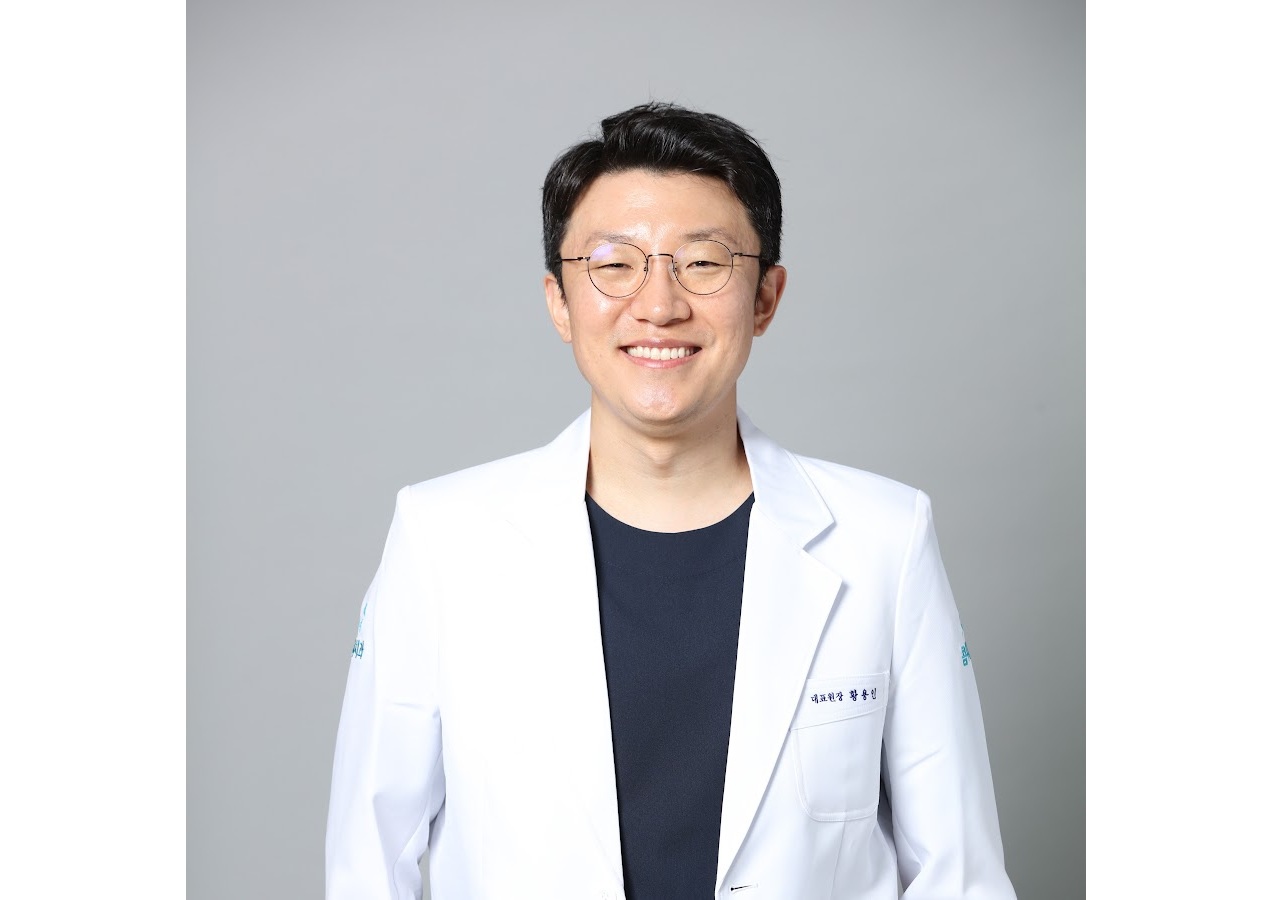
Dr. Yong-In Hwang
Dr. YongIn Hwang: Integrating Comprehensive Dental Medicine and Orthodontics in Contemporary Seoul Dentistry
How One Specialist Practitioner is Advancing Integrated Oral Care Through Multi-Disciplinary Expertise
In the complex landscape of modern dental practice, few practitioners have achieved Dr. YongIn Hwang's distinctive combination of clinical specializations and comprehensive treatment philosophy. As the founder and representative director of Combi Dental Clinic in Myeongdong, Seoul, Dr. Hwang represents a new generation of Korean dentists who have transcended traditional specialty silos to deliver integrated, patient-centered comprehensive dental care.
Holding dual board certifications as both a certified orthodontist and integrative dental medicine specialist—credentials recognized by Korea's Ministry of Health and Welfare—Dr. Hwang has systematically positioned his practice around a central clinical principle: oral health cannot be optimally restored through fragmented, single-discipline approaches. Rather, true dental excellence emerges when orthodontics, implantology, periodontology, prosthodontics, temporomandibular joint (TMJ) management, and aesthetic dentistry are synthesized into a coherent treatment philosophy.
"Oral health is foundational to overall wellness and healthy aging," Dr. Hwang explains. "When teeth are misaligned, when natural teeth are compromised, or when masticatory function is impaired, the consequences extend far beyond the mouth. Proper mastication activates cerebral blood flow, supports metabolic health, and contributes to longevity. This is why comprehensive, integrated dental care is not merely a convenience—it is a health imperative."
This holistic perspective, grounded in contemporary understanding of the oral-systemic health connection, has earned Dr. Hwang recognition as a clinical leader in Korea's evolving dental landscape.
Educational Credentials and Specialized Certifications
Dr. Hwang's clinical authority emerges from rigorous, multi-layered professional training and certification.
Core Medical Credentials:
- M.D. in Dentistry, Hallim University College of Dentistry
- Board Certification: Orthodontist Specialist (Ministry of Health and Welfare, South Korea)
- Board Certification: Integrative Dental Medicine Specialist (Ministry of Health and Welfare, South Korea)
Academic Affiliations and Professional Positions:
- Representative Director, Combi Dental Clinic (Myeongdong, Seoul)
- Adjunct Professor, Department of Orthodontics, Hallim University College of Dentistry
- Intern and Resident Training, Seoul Kangdong Sacred Heart Hospital
Specialized Credentials and Memberships:
- Korean Dental Association–Certified Comprehensive Clinical Dental Specialist
- Certified Orthodontist, Korean Orthodontic Society
- Full Member, Korean Oral and Maxillofacial Implant Society
- Full Member, Korean Temporomandibular Joint Society
- Full Member, Korean Society of Aesthetic Dentistry
- Full Member, Korean Lingual Orthodontics Society
- Certified Invisalign Provider (Clear Aligner Specialist)
- Certified MTA Orthodontic Specialist (Advanced Technique)
- Full Member, American Orthodontic Association (AAO)
Clinical Expertise Certifications:
- Osstem Implant Consultant & Research Advisor
- Osstem AIC Implant Advanced Course Completion
- Public Health Dentist, Inje County, Gangwon Province
Clinical Philosophy: The Oral-Systemic Health Connection
Dr. Hwang's clinical approach is fundamentally grounded in contemporary scientific understanding of oral-systemic health relationships. Unlike conventional dentistry, which frequently compartmentalizes the various oral disciplines into discrete clinical entities, Dr. Hwang recognizes that oral health functions as a system—where periodontal health, occlusal relationships, masticatory function, dental alignment, and restorative integrity are interdependent variables in a unified biological ecosystem.
The Masticatory Function Foundation:
Central to Dr. Hwang's philosophy is the recognition that proper mastication (chewing)—enabled by natural dentition in optimal occlusal relationship—provides far more than cosmetic satisfaction. The act of mastication carries profound systemic health implications:
Cerebral Health and Cognitive Function: The mechanical stimulation of mastication increases cerebral blood flow and oxygen delivery to the brain. In adolescence and young adulthood, this supports optimal cognitive development and neural plasticity. In older adults, research has established a clear epidemiologic correlation between tooth loss and cognitive decline, including dementia risk. By preserving natural teeth and maintaining optimal masticatory function, dentists directly contribute to neuroprotection.
Metabolic Regulation: Thorough mastication influences glucose metabolism and satiety signaling. Studies have demonstrated that adequate mastication reduces postprandial blood glucose spikes in diabetic patients and supports weight management. By restoring masticatory capability through restorative and orthodontic interventions, dentists can positively influence metabolic health.
Periodontal-Systemic Health: Chronic periodontal inflammation has been epidemiologically linked to cardiovascular disease, diabetes progression, and adverse pregnancy outcomes. Conversely, excellent oral hygiene and healthy periodontium reduce systemic inflammatory burden and support longevity. Comprehensive orthodontic and restorative treatment that optimizes occlusal relationships and reduces zones of plaque accumulation directly supports periodontal health.
Psychological and Social Health: Dental aesthetics and confidence in one's smile profoundly influence self-perception, social engagement, and psychological wellbeing. By addressing dental misalignment, discoloration, and missing teeth, dentists contribute to improved quality of life that extends far beyond oral tissues.
The Integrated Combi Approach: Multi-Disciplinary Treatment Philosophy
Combi Dental Clinic operationalizes Dr. Hwang's integrated philosophy through a systematic approach that synthesizes multiple dental disciplines toward unified patient outcomes. Rather than referring patients to multiple specialists across different clinics—a fragmented approach that inevitably results in incomplete communication and suboptimal coordination—Dr. Hwang personally manages the full spectrum of cases, drawing on his dual specialization in orthodontics and integrative dental medicine.
Primary Clinical Service Domains:
Comprehensive Orthodontics: Dr. Hwang offers a complete spectrum of orthodontic solutions, from conventional fixed appliance therapy to advanced techniques including:
- Clear aligner therapy (Invisalign)—certified provider with extensive patient experience
- Lingual orthodontics (behind-the-tooth braces)—an advanced technique requiring specialized expertise
- Advanced biomechanics and three-dimensional treatment planning
- Comprehensive evaluation of skeletal vs. dental components of malocclusion
- Functional appliance therapy for select cases with skeletal discrepancies
Rather than defaulting to full-mouth treatment in all cases, Dr. Hwang evaluates whether more conservative, time-efficient approaches (such as partial orthodontics) are appropriate for select presentations.
Implant Dentistry: Dr. Hwang provides comprehensive implant services, informed by his dual expertise in occlusal relationships (critical for long-term implant success) and integrative treatment planning. Services include:
- Comprehensive implant site assessment and three-dimensional imaging (3D CT)
- Implant treatment planning utilizing digital simulation and navigational guidance
- Flapless and minimally invasive surgical placement techniques
- Advanced restorative protocols including immediate provisionalization and navigation-guided implant placement
- One-day implant protocols in appropriate cases
- Complex cases requiring bone augmentation and advanced surgical planning
Third Molar Management: Wisdom tooth extraction and management represent a common clinical need requiring both technical skill and comprehensive assessment. Dr. Hwang provides:
- Comprehensive evaluation of impaction severity and surgical complexity
- Minimally invasive extraction techniques
- Integrated treatment planning when wisdom tooth removal is part of broader orthodontic or restorative strategy
Aesthetic Dentistry: Smile aesthetics are addressed through multiple modalities:
- Cosmetic resin bonding for discoloration and minor shape defects
- Professional whitening utilizing evidence-based protocols
- Smile design principles integrated with broader facial aesthetics
- Integration of aesthetic considerations into orthodontic and restorative treatment planning
Temporomandibular Joint (TMJ) Management: TMJ disorders represent a complex, multifactorial clinical domain. Dr. Hwang provides:
- Comprehensive TMJ assessment and differential diagnosis
- Occlusal relationship evaluation and correction where appropriate
- Orthopedic and functional approaches to TMJ dysfunction
- Coordination with orthodontic treatment to optimize occlusal stability and reduce TMJ load
Periodontal Health and Scaling Therapy: The importance of routine periodontal health maintenance cannot be overstated. Dr. Hwang emphasizes:
- Regular prophylactic scaling (tartar removal) performed by skilled clinicians
- Periodic comprehensive oral assessment to identify early-stage pathology before symptoms develop
- Patient education regarding oral hygiene and plaque control
- Coordination between periodontal health optimization and other therapeutic modalities
The Role of Preventive Dentistry and Early Intervention
A distinguishing feature of Dr. Hwang's clinical approach is his systematic emphasis on prevention and early intervention. Rather than waiting for patients to present with acute symptoms (which often indicates advanced pathology), Dr. Hwang advocates for:
Periodic Comprehensive Assessment: Patients should undergo comprehensive oral examinations at regular intervals (typically annually, or twice-yearly for high-risk individuals). Early-stage dental disease—cavities in the enamel-dentin interface before pulpal involvement, or periodontal disease before significant bone loss—often produces minimal or no symptoms. Systematic assessment identifies these early-stage conditions when treatment is most conservative and outcomes are most favorable.
Preventive Scaling and Polishing: Tartar (calculus) that accumulates below the gingival margin and in interproximal spaces cannot be removed through routine home hygiene. This calculus serves as a reservoir for pathogenic bacteria and facilitates plaque accumulation. Regular professional scaling eliminates this substrate, reducing bacterial burden and periodontal inflammation.
Oral Hygiene Education: Patient-performed home care remains foundational to oral health. Dr. Hwang emphasizes:
- Proper toothbrushing technique (gentle, along the direction of tooth eruption—not aggressive horizontal scrubbing)
- Routine flossing to remove interproximal plaque not accessible to toothbrush bristles
- Understanding that daily vigilance is far more cost-effective and health-promoting than managing advanced pathology
Advanced Technology and Contemporary Techniques
Combi Dental Clinic is equipped with contemporary dental technology, including:
3D Imaging and Advanced Diagnostics:
- Cone beam computed tomography (CBCT) for comprehensive three-dimensional bone and dental anatomical assessment
- Intraoral digital imaging for detailed visualization of dental pathology
- Digital occlusal analysis and bite assessment tools
Surgical and Operative Capabilities:
- Digital implant planning and surgical navigation systems for precise implant placement
- Minimally invasive surgical techniques reducing postoperative morbidity
- Advanced hemostasis and infection control protocols
- Specialized instrumentation for complex restorative and surgical cases
Restorative Materials and Techniques:
- Contemporary composite resin materials for aesthetic and durable restorations
- Inlay and crown restorations utilizing digital design and CAD/CAM fabrication
- Evidence-based material selection informed by clinical outcomes research
The Patient Experience and Treatment Coordination
Comprehensive Initial Consultation: Patients presenting to Combi Dental Clinic undergo comprehensive evaluation including detailed history, clinical examination, and advanced imaging as appropriate. Rather than jumping immediately to treatment, Dr. Hwang develops a detailed diagnostic formulation and treatment plan that explicitly addresses:
- Chief complaint and specific patient goals
- Comprehensive oral and systemic health status
- Occlusal relationships and functional considerations
- Aesthetic and psychological dimensions
- Treatment sequence and realistic time projections
- Cost transparency and treatment financing
Integrated Treatment Planning: Rather than fragmenting care across multiple specialists, Dr. Hwang personally develops unified treatment plans that coordinate orthodontic, implant, periodontal, and aesthetic interventions toward optimal outcomes. For example, a patient with significant crowding, missing teeth, and TMJ-related occlusal dysfunction might benefit from a coordinated sequence: (1) initial orthodontic alignment, (2) implant placement for missing teeth in properly prepared spaces, (3) final occlusal refinement to optimize intercuspation and TMJ positioning. This integrated approach is far more efficient and effective than managing each problem in isolation.
Continuity of Care: The same dentist (Dr. Hwang) typically manages the entire treatment sequence, ensuring continuity, communication, and accountability throughout the patient's journey.
Specialization in Orthodontic Excellence
Given Dr. Hwang's extensive orthodontic training and specialization, this domain warrants particular emphasis.
Clear Aligner Therapy (Invisalign): Clear aligner systems have transformed orthodontic treatment accessibility and aesthetic acceptability. Dr. Hwang offers comprehensive Invisalign treatment, informed by:
- Precise diagnosis of the skeletal and dental components of malocclusion
- Recognition that clear aligner therapy is most appropriate for mild-to-moderate dental crowding and spacing when skeletal relationships are favorable
- Detailed treatment planning utilizing ClinCheck digital visualization
- Realistic patient expectations regarding treatment duration and outcomes
- Integration with ancillary techniques (interproximal reduction, elastic auxiliaries) to optimize results
Lingual Orthodontics: Lingual braces—positioned behind teeth—offer aesthetic advantages for patients concerned about visible appliances. However, lingual orthodontics requires specialized technical expertise including:
- Precise appliance design and customization
- Modified wire sequencing and bracket geometry
- Heightened attention to patient comfort and speech adaptation
- Advanced biomechanical principles
- High-resolution clinical observation and problem-solving
Dr. Hwang's certification in lingual orthodontics reflects his commitment to advanced technique development.
Comprehensive Treatment Planning: Rather than routinely treating all malocclusions with comprehensive full-mouth therapy, Dr. Hwang assesses whether more targeted approaches (partial orthodontics) might achieve sufficient functional and aesthetic improvement with reduced treatment duration and cost. This patient-centered approach demonstrates sophisticated clinical judgment.
Ongoing Professional Development and International Engagement
Dr. Hwang maintains active membership in the American Orthodontic Association (AOA), reflecting his engagement with international best practices and evidence-based literature. His role as consultant and advisor for Osstem Implant Systems positions him within Korea's implantology innovation ecosystem. His adjunct professorship at Hallim University contributes to the training of the next generation of Korean dentists.
These professional activities demonstrate Dr. Hwang's commitment to continuous learning and contribution to the broader advancement of dental science.
Combi Dental Clinic: A Center of Integrated Oral Care
Location and Accessibility:
- Address: Myeongdong, Seoul (Center Point Building, South Gate-ro, Jung-gu)
- Modern, conveniently accessible location near public transportation
- Contact: 02-754-2114
- Operating Hours: Monday, Wednesday, Friday 10:00–19:00; Tuesday, Thursday 10:00–21:00; Saturday 09:30–14:00 (lunch 13:00–14:00)
Patient Satisfaction: Patient reviews consistently emphasize:
- Thorough, honest consultation and treatment planning
- Transparent pricing and cost discussion
- Compassionate, patient-centered clinical approach
- Professional staff demeanor
- Clean, modern facility
- Realistic timeframes and outcome expectations
- Absence of aggressive upselling
Conclusion: Comprehensive Dentistry as Contemporary Best Practice
Dr. YongIn Hwang's career exemplifies a fundamental evolution in dental practice philosophy. Rather than advancing narrow specialization within isolated domains (orthodontics OR implants OR aesthetics), contemporary best practice increasingly recognizes the value of practitioners who can synthesize multiple disciplines toward optimal patient outcomes.
For patients seeking comprehensive, integrated dental care—whether addressing orthodontic correction, missing teeth replacement, masticatory function restoration, aesthetic improvement, or periodontal health optimization—Dr. Hwang and Combi Dental Clinic offer a unified clinical destination combining multi-disciplinary expertise, advanced technology, and patient-centered philosophy.